Destinations, Turkey

Can You Pronounce Çanakkale?

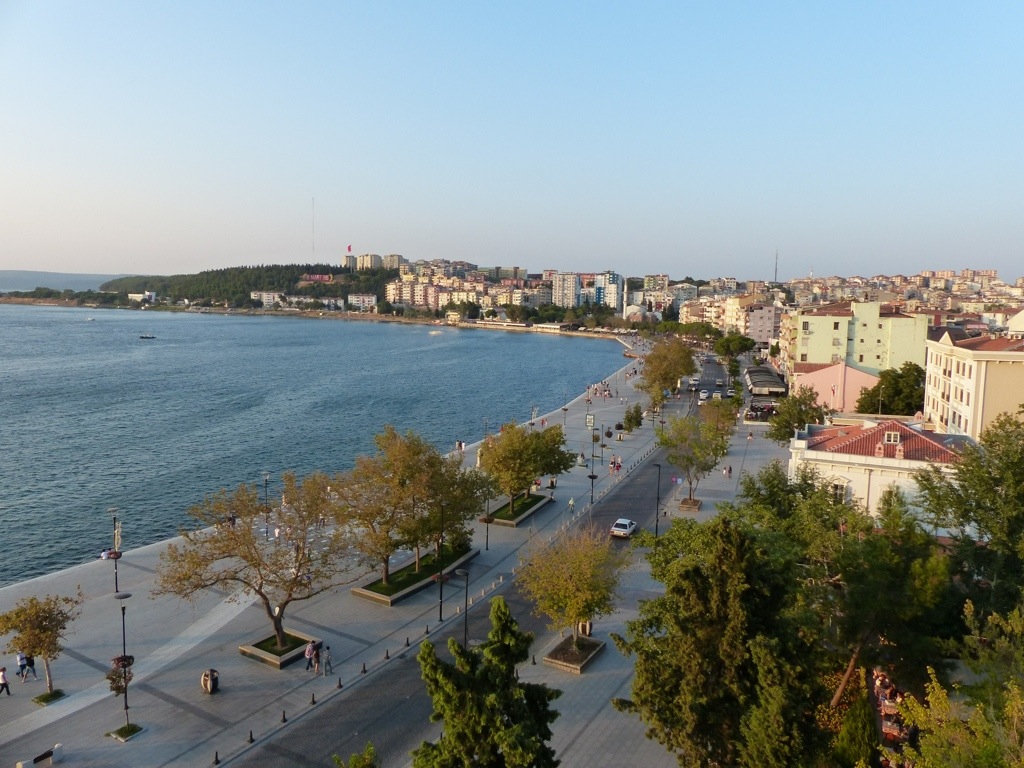
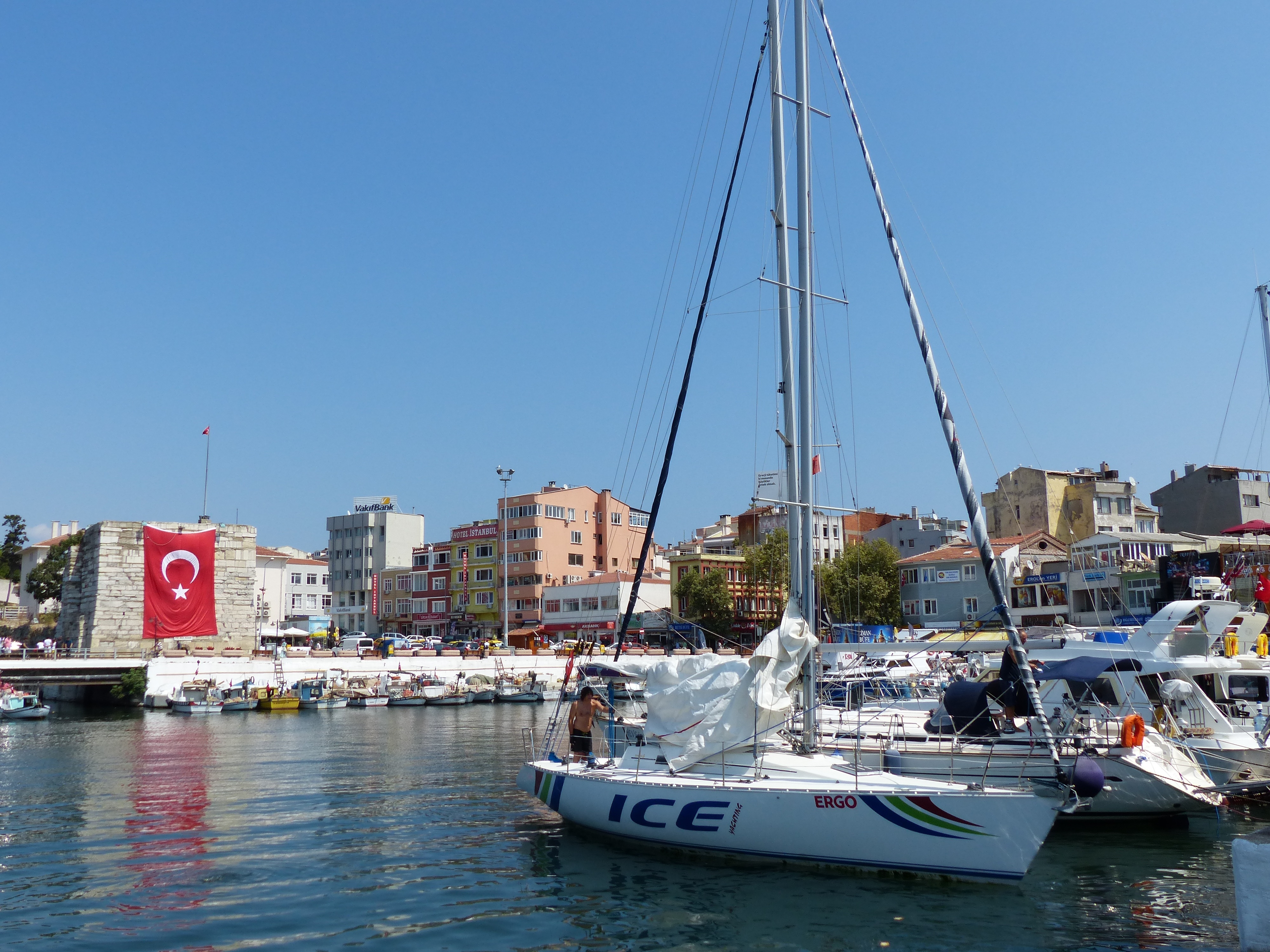
After visiting Troy, our first overnight stay in Asia was in the port town of Çanakkale (pronounced Cha-knock-ka-lay). We stayed at the Hotel Akol which was right across the street from the waterfront and we even lucked out and got a room overlooking the water.

20130919-160825.jpg

20130919-160844.jpg

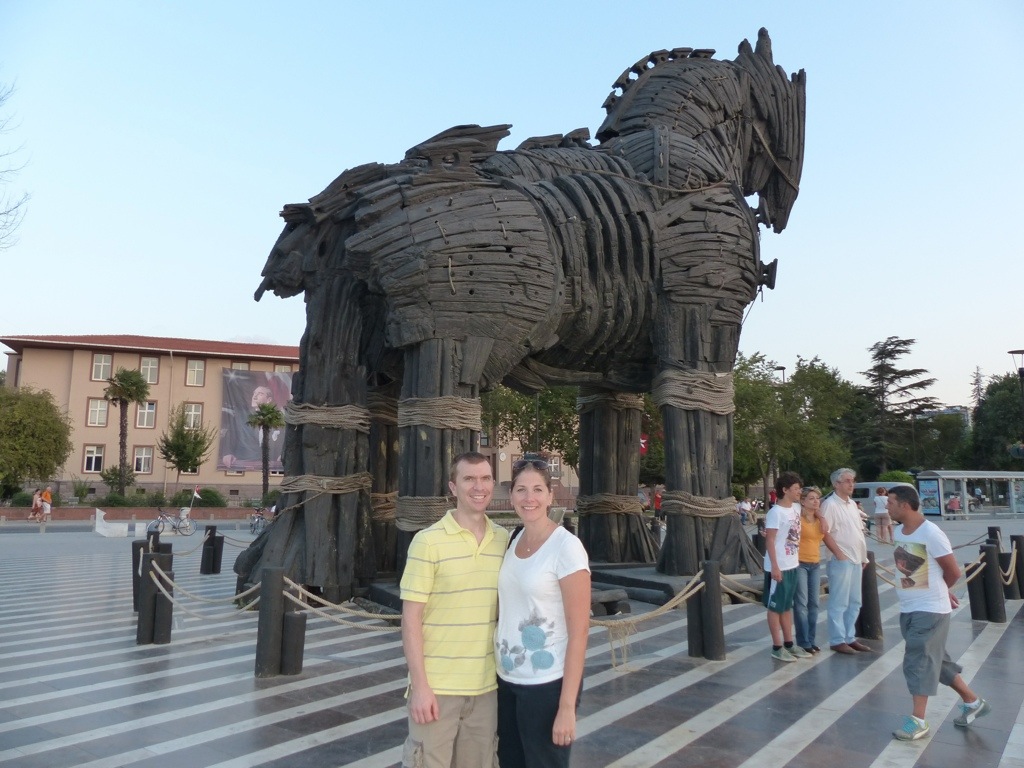
Çanakkale is the nearest major town to the ancient city of Troy, but even then, I wasn’t expecting it to have its very own Trojan Horse! But there it was, smack dab in the middle of the busy waterfront walkway. If you ask me (which you haven’t, but I’m telling you anyway!) this Trojan Horse is way cooler than the cheesy rendition at Troy itself! Çanakkale’s horse is the actual model used from the blockbuster movie Troy. That’s right ladies…Brad Pitt touched this one! The model was gifted to the city in 2004.

20130919-161050.jpg

20130919-161105.jpg

Çanakkale lies along the coast at the narrowest point of the Dardanelles Strait. The lively waterfront in this quaint town is filled with street vendors, happenin’ bars and restaurants, and is the perfect place for people watching. We even happened upon a bride and groom.

20130919-161341.jpg

20130919-161359.jpg

20130919-161419.jpg

20130919-161459.jpg

Unfortunately, our time there was short as we were scheduled to depart early the next morning. But we very much enjoyed our brief stay, capping off the evening at the Hangover Bar with a refreshing Efes (Turkey’s delicious local beer!)

20130919-161610.jpg

Standard
Destinations, Turkey

Maybe Troy, Maybe Not

image

Our first stop after crossing into Asia was Troy, or the area that they believe to be Troy. While these ruins are generally identified as the site of the legendary Trojan War, the evidence is not 100% conclusive. However, most historians and archeologists are convinced that this was in fact the ancient city of Troy, which apparently was enough for this area to be added to the UNESCO World Heritage List in 1998. Sounds good enough for me! Let’s call this place Troy!

image

image

According to the Iliad, the ancient city of Troy sat atop a hill, across the plain of the River Scamander. But today, Troy is about 3 miles from any body of water (you can see the water if you look closely at the picture below). Historians believe that 3,000 years ago, the field shown below was actually a large bay that has since been filled with sediment. Geological evidence supports that this location would have matched Homer’s geographical description of Troy.

image

Troy was a city that was continually built upon and expanded. For this reason, archeologists have uncovered several “layers” of Troy. These layers are called Troy I – Troy IX and they cover the periods of 3,000 BC – 500 AD. You can see placards in the picture below marking different layers of the ancient city.

image

Troy VII (1300-1200 BC) is the layer associated with Homer’s story and the Trojan War. The picture of the wall below is a part of Troy VII and a likely site of the Trojan War. Our tour guide pointed out that the lower portion of the wall was designed with a slight slant to make it appear like it would be easy to climb. But towards the top of the wall, the slant disappears leaving potential wall jumpers at the mercy of the Trojans. Our guide informed us the Trojans would pour boiling oil onto invaders and then light them on fire! Scalded Spartan, anyone?

image

Remains of the Temple of Athena

Remains of the Temple of Athena

Well built in 300 BC

Well built in 300 BC

Ramp built for chariots to enter the city (on the friendly side of course)

Ramp built for chariots to enter the city (on the friendly side of course)

Sacrificial grounds (with built-in wells to drain blood)

Sacrificial grounds (with built-in wells to drain blood)

Believed to be the tomb of Achilles

Believed to be the tomb of Achilles

Theater

Theater

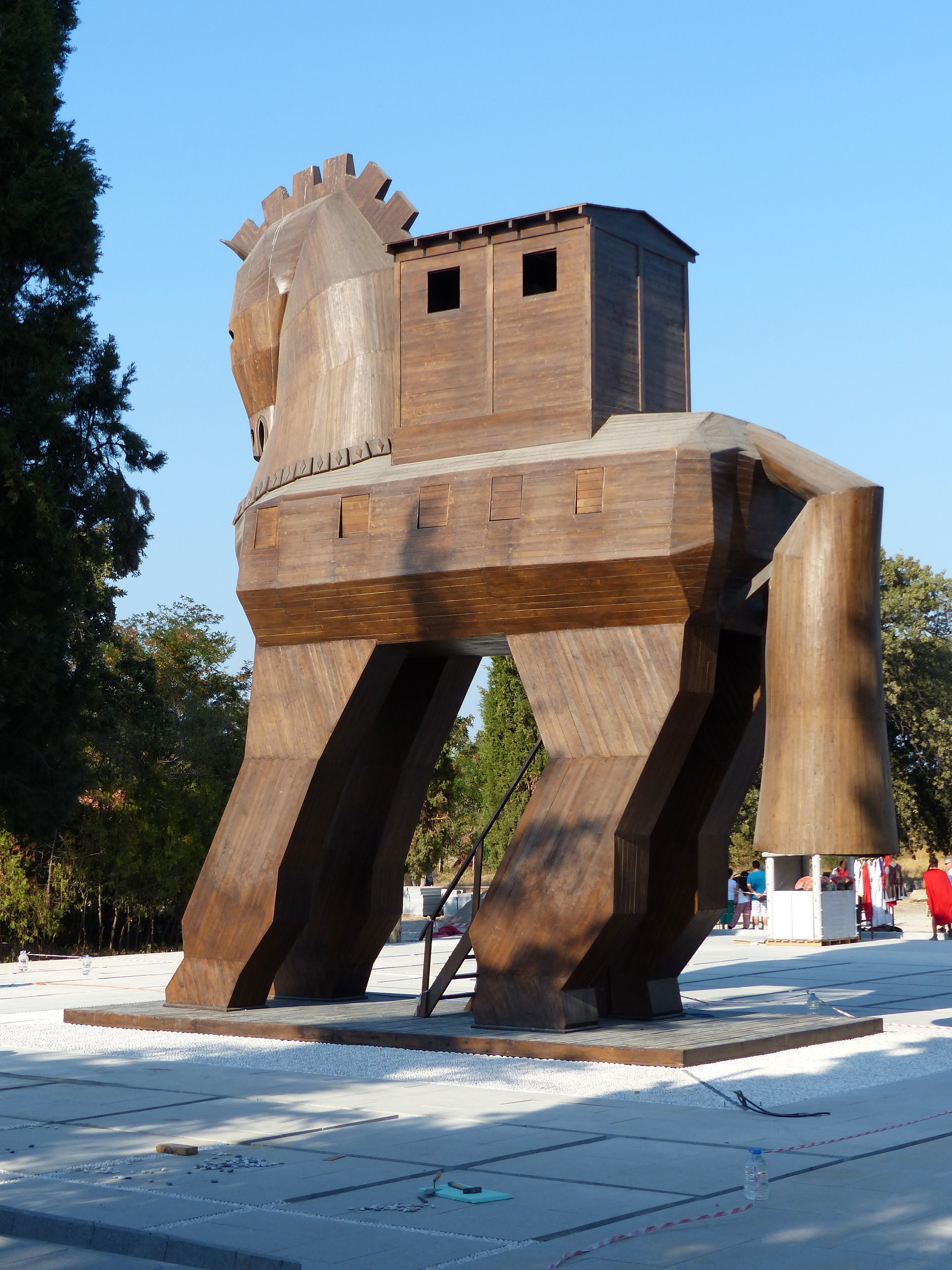
Not convinced this is Troy?

image

Well surely the placement of this Trojan Horse replica will be the only remaining proof you need!

Standard
Destinations, Turkey

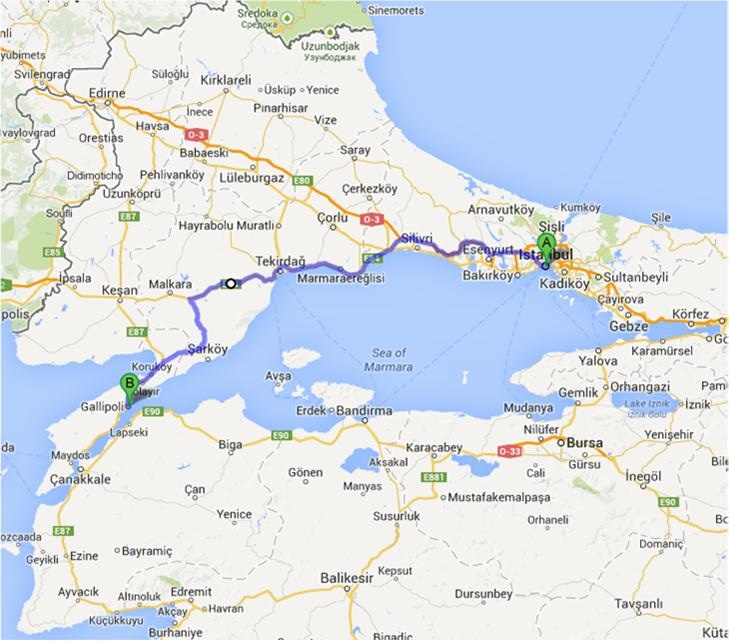
Turkey’s geography is interesting because it spans two continents. The northwest corner of the country is in Europe, but the vast majority of the land is in Asia. The continents are separated by the Sea of Marmara, the Bosphorus Strait, and the Dardanelles Strait. The Bosphorus Strait feeds into the Black Sea in the north and the Dardanelles feeds into the Aegean Sea in the west. Despite the small portion of land that is actually located in Europe, Turkey is a member of the European Union.

Image

Our tour bus departed Istanbul and headed west towards Gelibolu (spelled differently on the map below).

Image

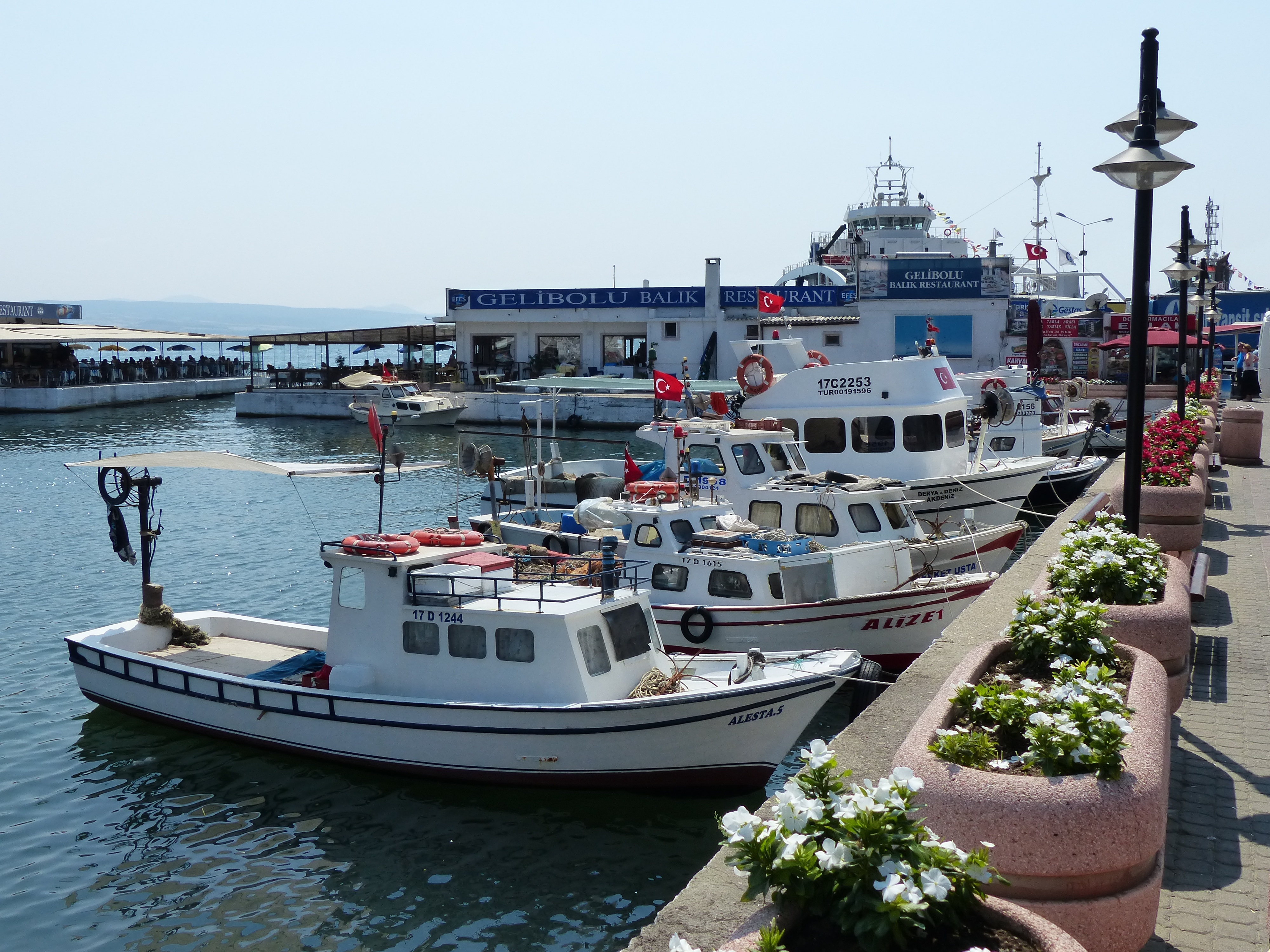
Gelibolu is a quaint little port town on the European side of the Dardanelles. This would be our launch point to cross over to Asia. But first, we had time for a lovely lunch at a waterside restaurant.

image

image

image

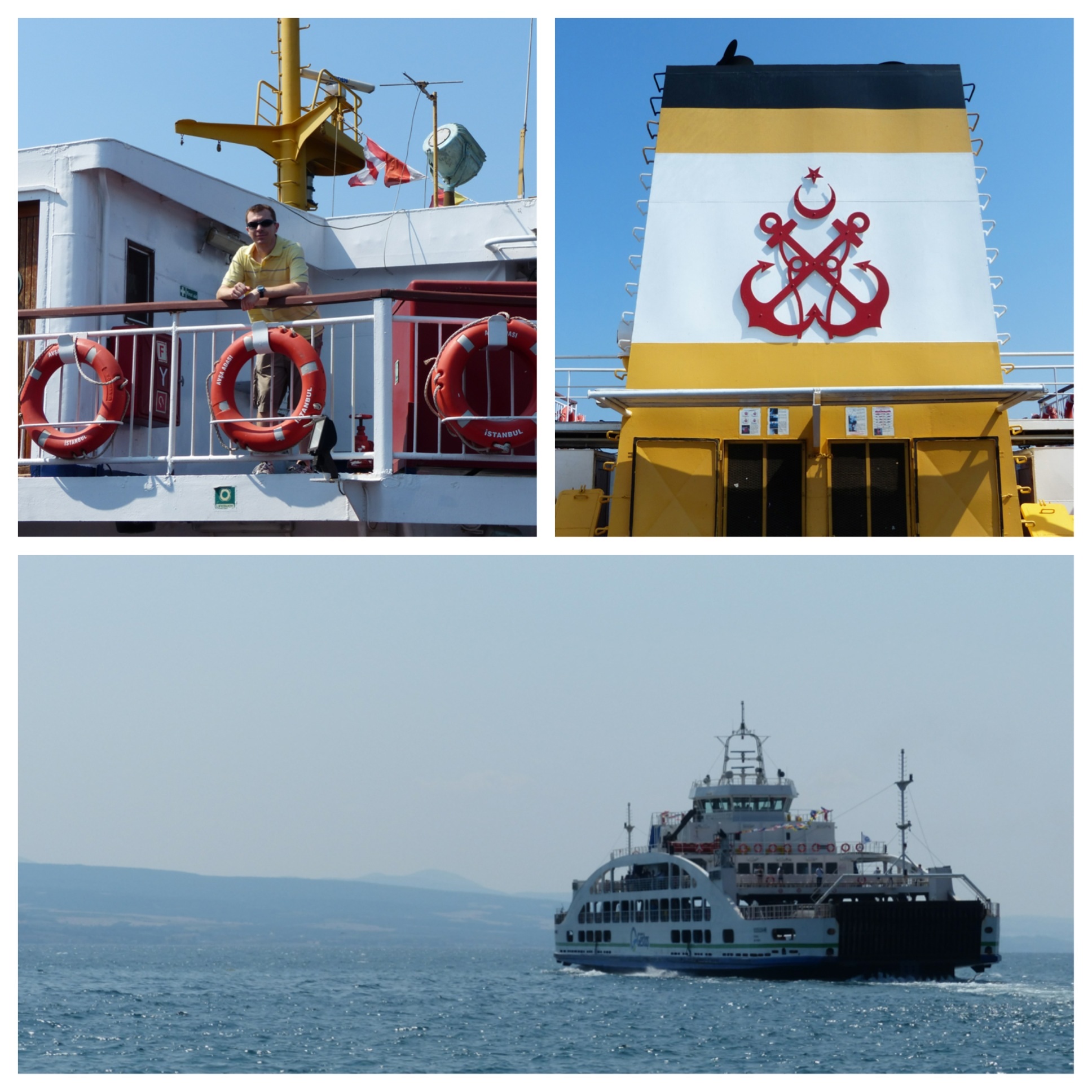
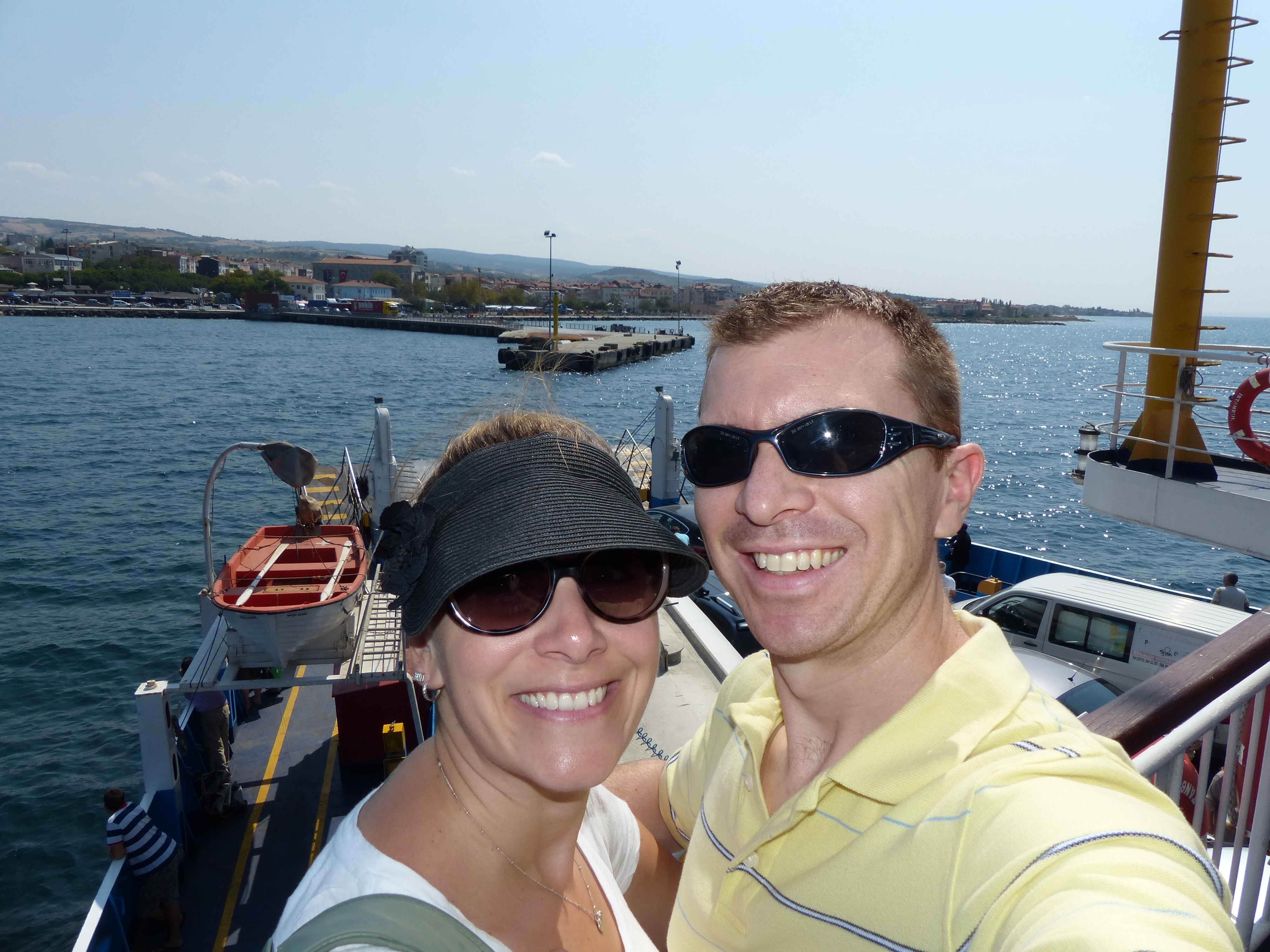
After lunch, our tour bus drove onto the ferry and we were ready to make our voyage (about 20 minutes) to Asia!

Leaving Europe

Leaving Europe

image image

Entering Asia

Entering Asia

Welcome to Asia

Welcome to Asia

A Tale of Two Continents

Aside
Destinations, Turkey

Bargaining at the Grand Bazaar

20130913-130114.jpg

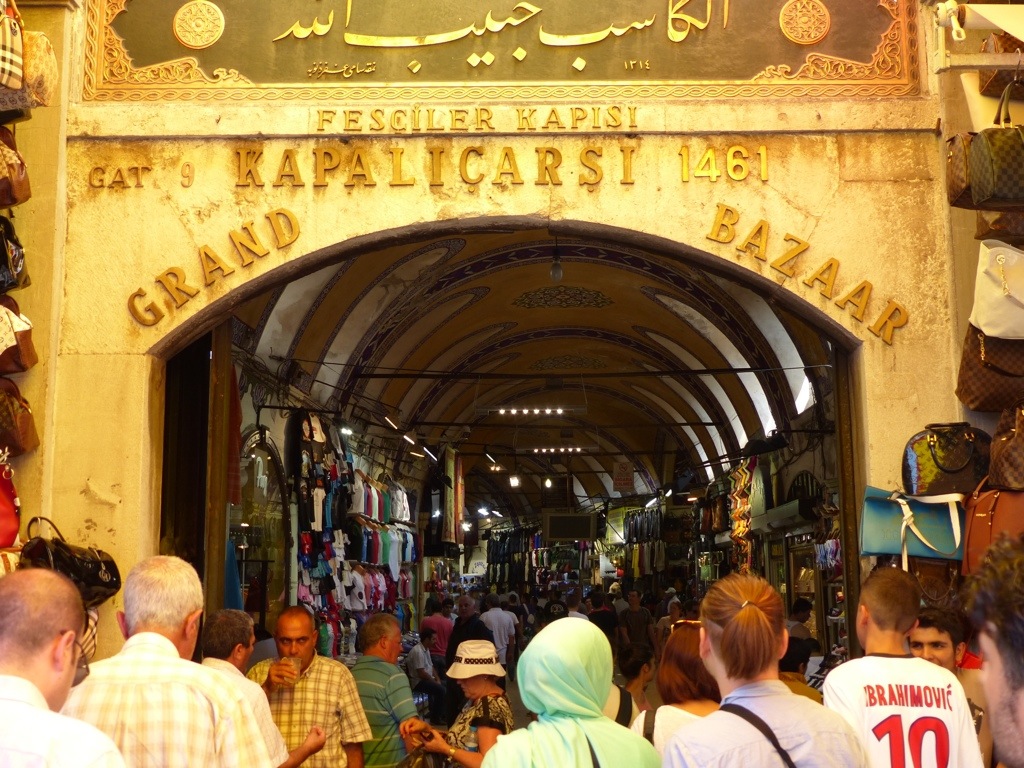
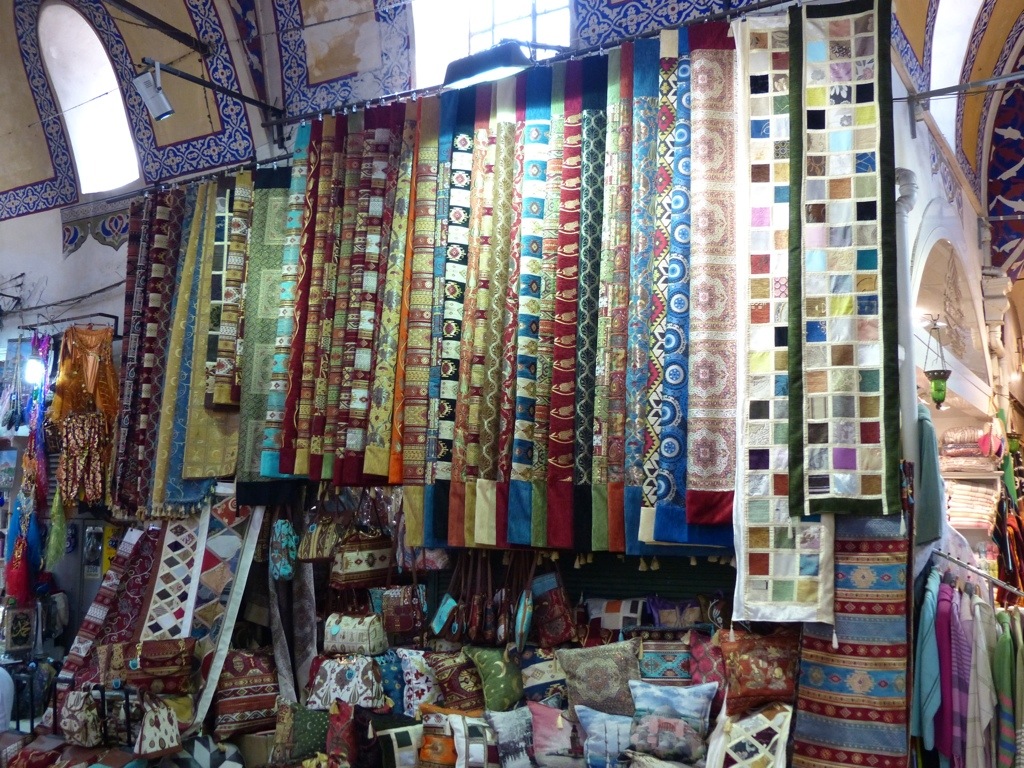
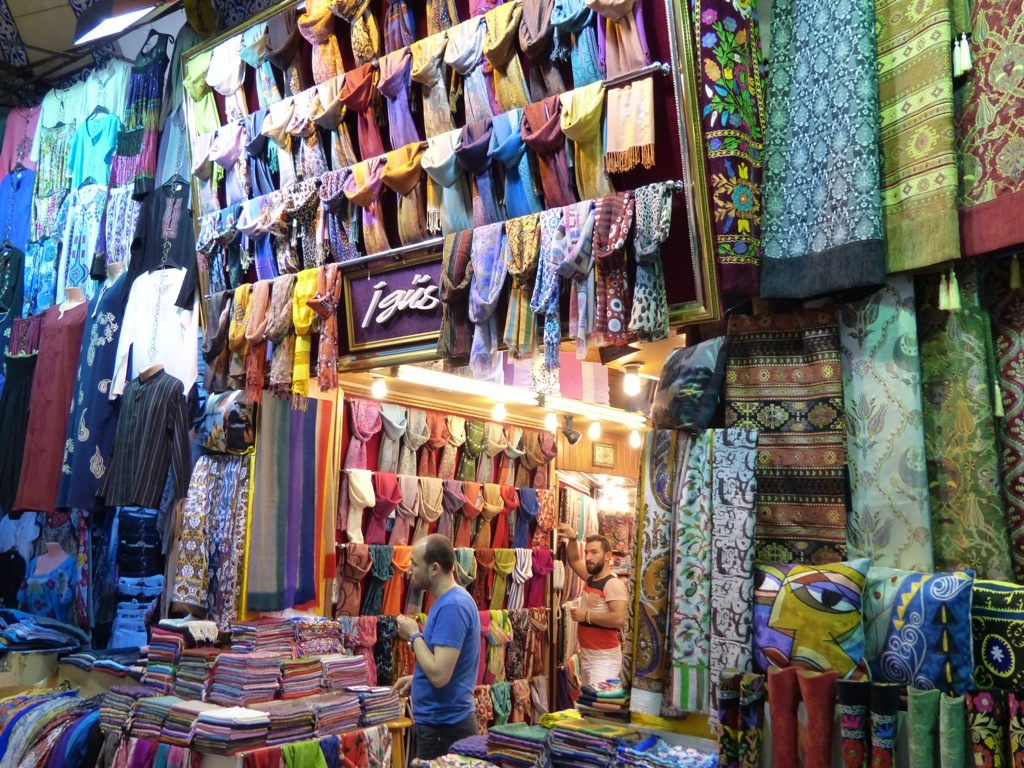
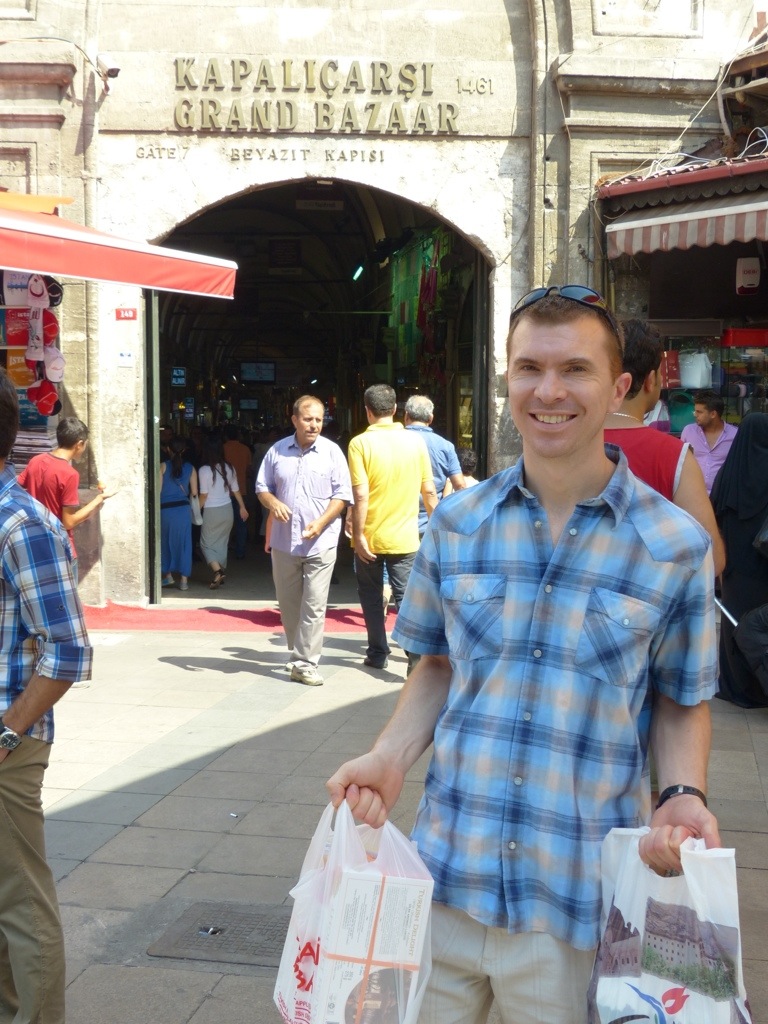
The Grand Bazaar is one of the oldest and largest covered markets in the world! It is comprised of over 3,000 shops spanning 61 covered streets. The Grand Bazaar used to be where the locals did all of their shopping, but today it is basically a tourist trap attracting up to 400,000 visitors a day. But it is a fabulous tourist trap! As soon as you enter, you are overwhelmed with sights, sounds, smells and even tastes (as shop owners quickly offer you samples of their tasty Turkish Delight!). You can probably find better deals elsewhere, but it is an experience that you shouldn’t pass up. Even if you don’t plan to buy anything, it is fun just to walk around and take it all in. The place is huge and you could easily get lost inside. Rob and I barely scratched the surface, but I feel like we got a good taste of what the bazaar had to offer.

20130913-130437.jpg

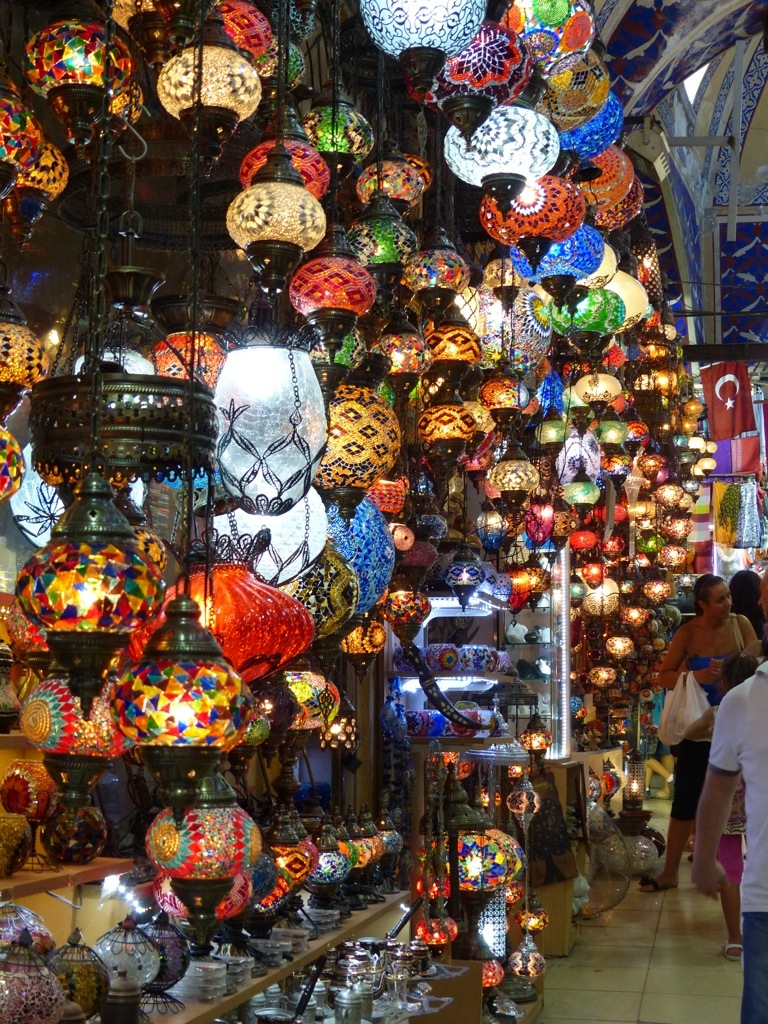
One of my favorite parts was all of the lamp shops. I thought these mosaic lamps were absolutely beautiful! I didn’t end up buying one, but I definitely enjoyed looking at them (and apparently photographing them as Rob harassed me for taking yet another lamp photo over and over again!).

20130913-130602.jpg

20130913-130613.jpg

20130913-130629.jpg

20130913-130646.jpg

20130913-130700.jpg

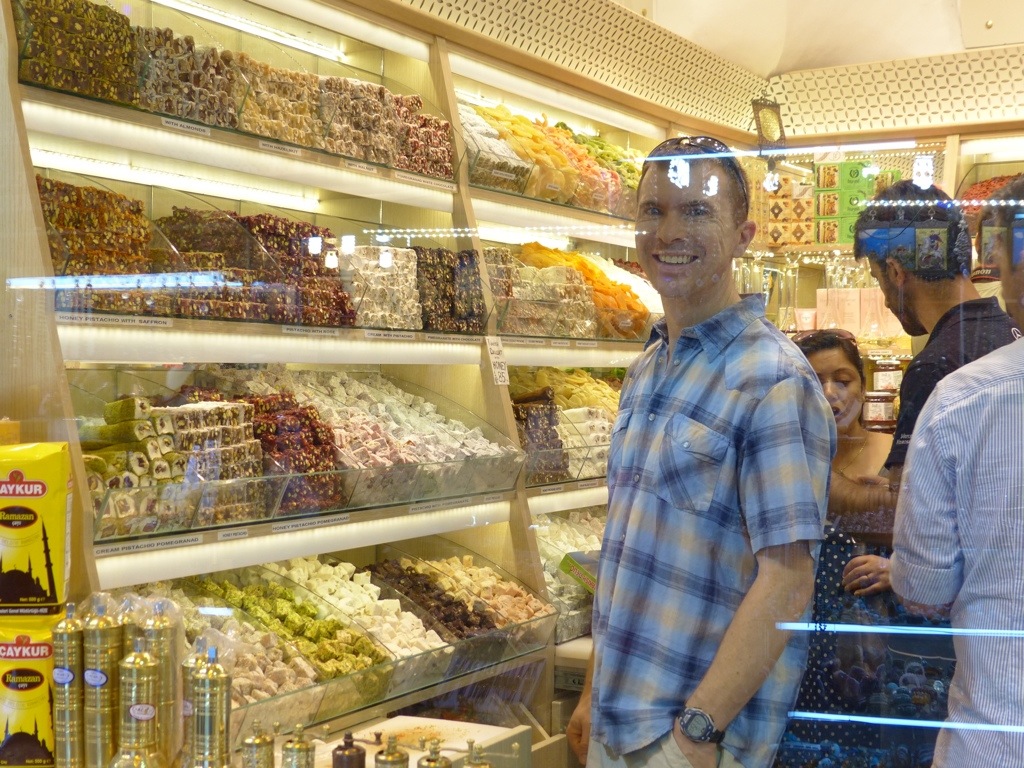
It is quite easy to get sucked into the shops that sell Turkish Delight. This stuff is well deserving of its name (DELIGHTFUL!). Clearly, Rob is the proverbial “kid in a candy shop!” (The shop owner was smiling because Rob actually paid him full price without even an attempt to barter!) Rob’s shopping privileges were put on probation after that.

20130913-130756.jpg

20130913-130807.jpg

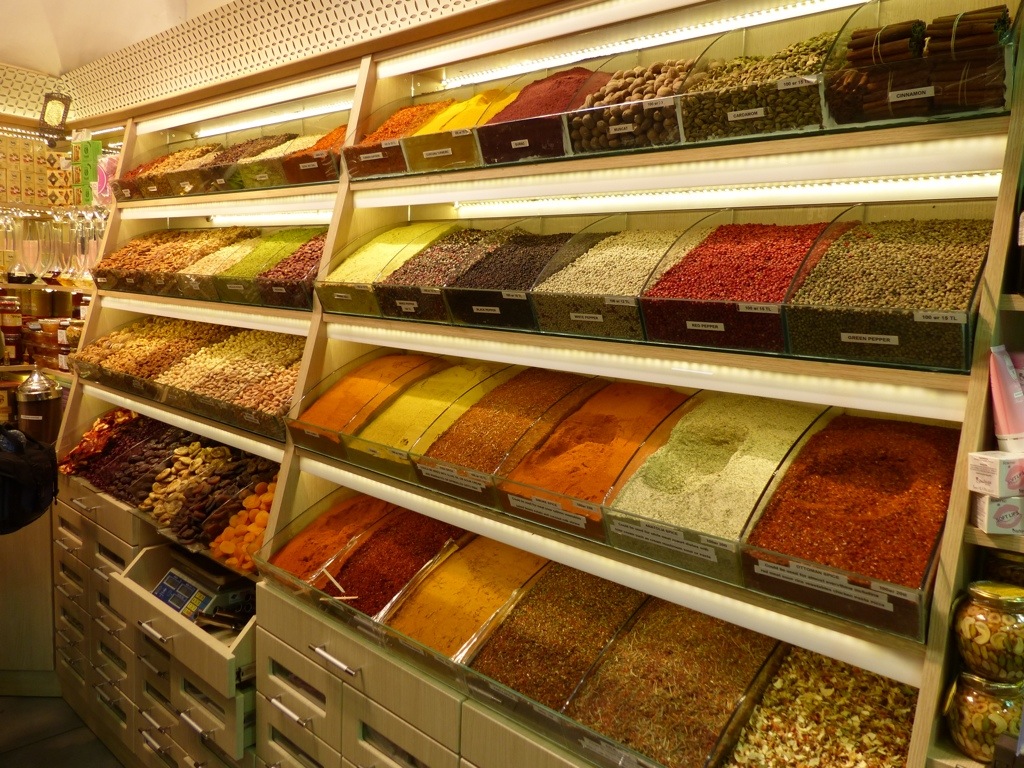
The bazaar is filled with fabulous aromas from a wide variety of spices and teas. We didn’t buy either, but it made for some colorful photography.

20130913-130859.jpg

The bazaar has an abundance of textile shops as well. You can find clothes, scarves, and carpets…and everything in between. Rob and I were thinking about buying a few scarves as gifts, so I took the lead on bargaining. The shop owner refused to drop his price below a certain point which led to me leaving the store a total of 3 times. He chased after us a couple of times and managed to get us back in to the shop, but then held steady on his price. It was a time-consuming process, but eventually he agreed to my price. Needless to say, the shop owner was happy to have made a sale, but he did not have the same shit-eating grin as Mr. Turkish Delight! Rob decided that the good cop/bad cop scenario worked best for our bargaining purposes. I don’t think there is really any need to point out which one of us was the bad cop. : )

20130913-131032.jpg

20130913-131044.jpg

I could have easily spent a lot more time at the bazaar, but my patrol partner has a much shorter attention span when it comes to shopping. All in all, he was a really good sport and we picked up a few nice things.

20130913-131306.jpg

Standard
Destinations, Turkey

Fashion Citation at The Blue Mosque

20130912-112807.jpg

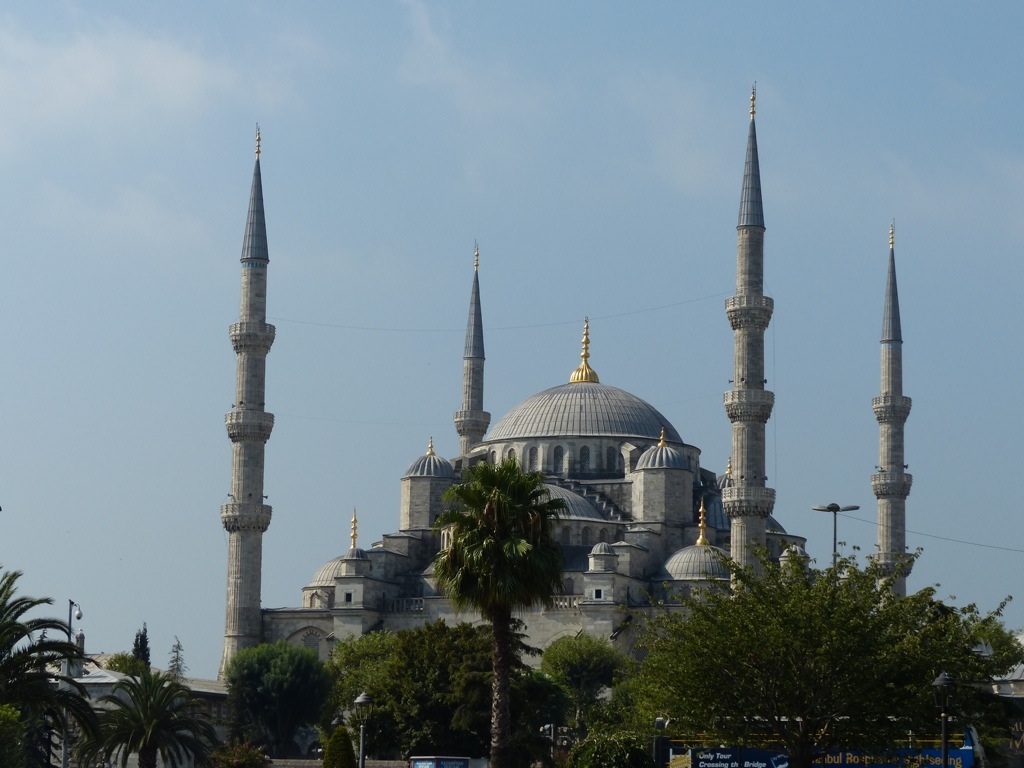
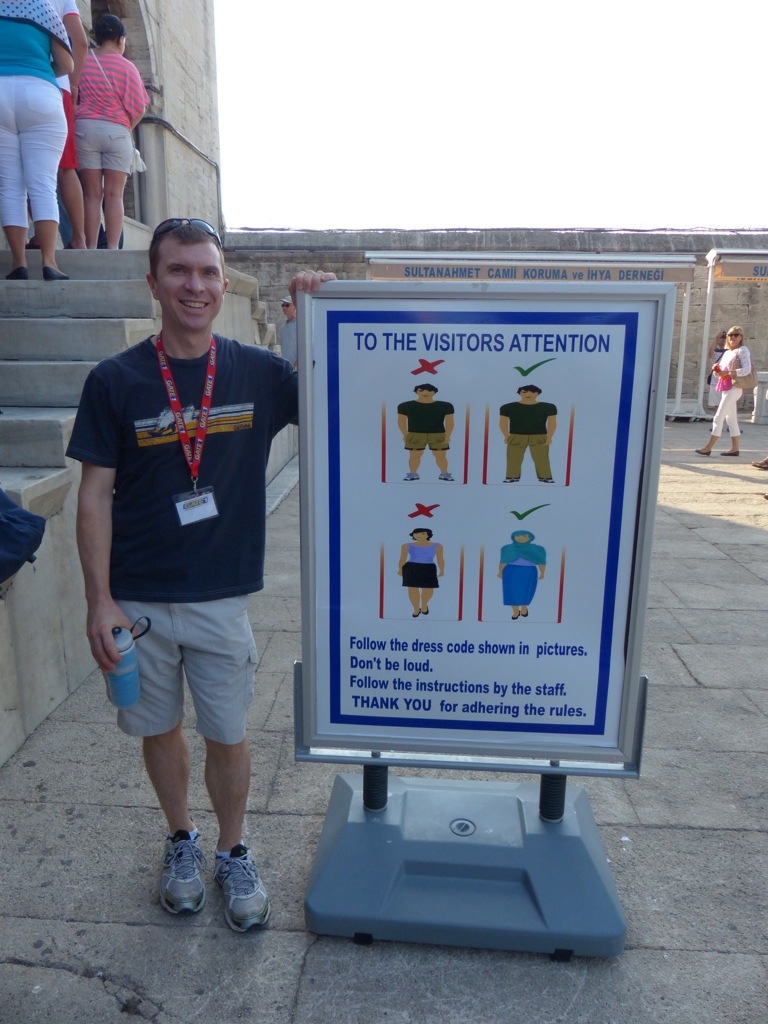
No visit to Istanbul is complete without seeing the Blue Mosque. However, in order to enter the mosque, you must be appropriately dressed. Notice how Rob’s attire exactly matched the “do not wear this” column.

20130912-112913.jpg

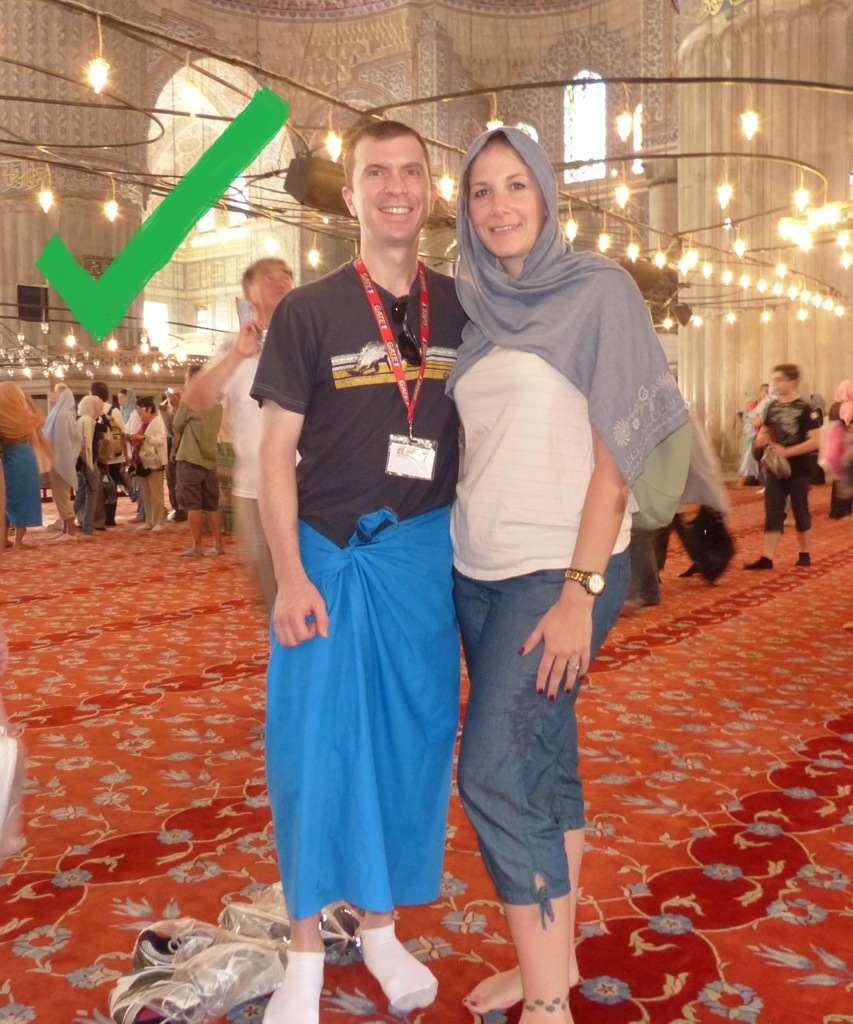
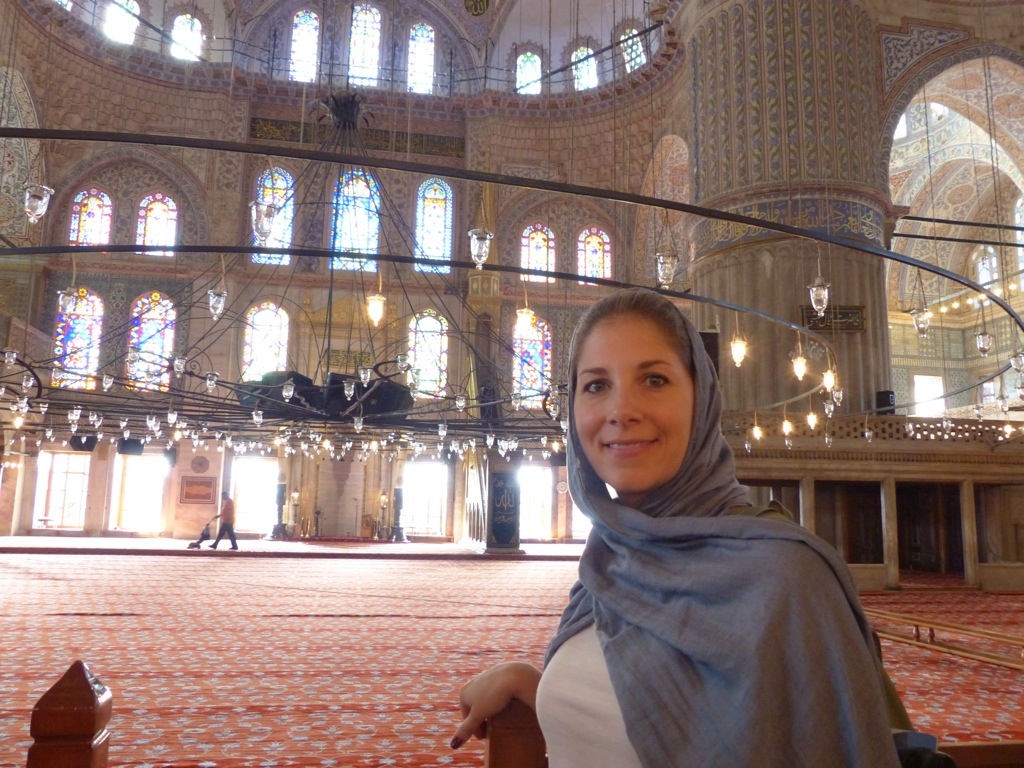
Don’t worry, Rob was still able to enter the mosque. But not until he covered himself up appropriately! All visitors are screened by Mosque Fashion Police (clearly not their official title) before entering to ensure that they meet the etiquette requirements. Women are provided with head scarves and men are provided with sarongs. Fortunately, I was prepared and brought my own scarf.

20130912-113041.jpg

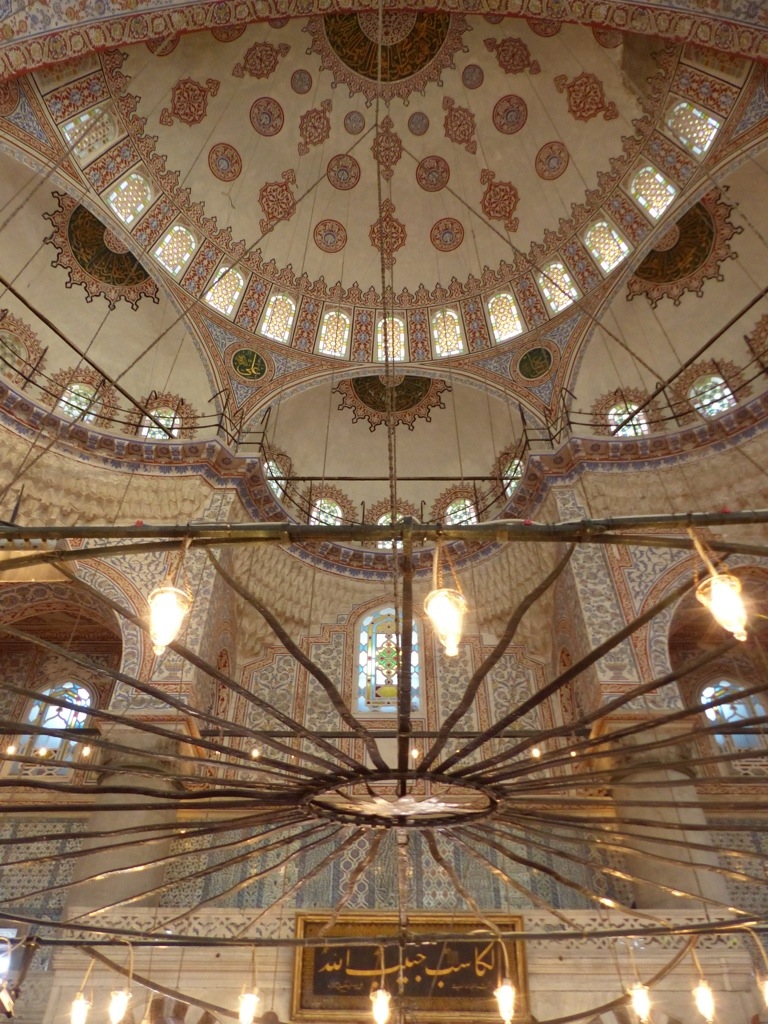
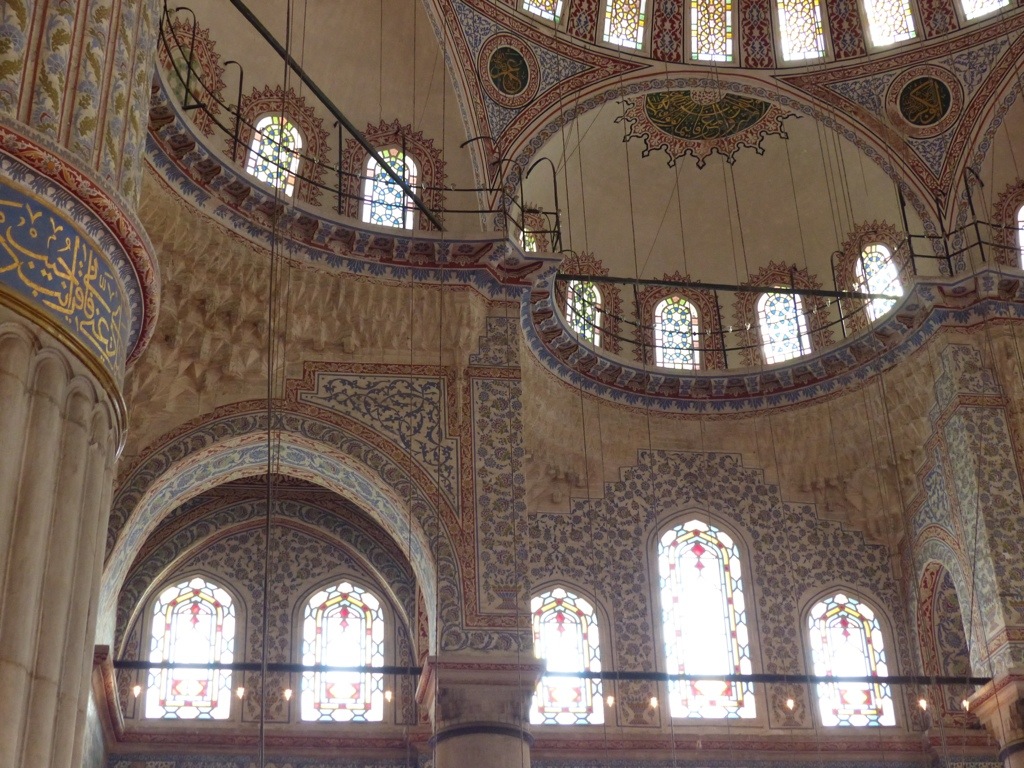
The mosque was built from 1609-1616 and it’s official name is the Sultan Ahmed Mosque, as it was built under the rule of Sultan Ahmed. It became known (among tourists) as the Blue Mosque because of the thousands of blue tiles adorning the interior. There are more than 20,000 handmade ceramic tiles depicting more than 50 different tulip designs. The tulip is somewhat of an unofficial symbol throughout Turkey and can be found in many different forms pretty much everywhere you look. Watch out Amsterdam, Turkey wants your claim on tulips! I’m not sure if this is true or not, but our tour guide told us that Turkey actually gifted the Netherlands with tulips many years ago and essentially introduced them into the Netherlands (we both thought our tour guide made a lot of things up though, so we haven’t made a final decision on that claim as of yet).

20130912-113349.jpg

20130912-113411.jpg

The Blue Mosque is actually a little less blue than it used to be. The picture below shows a small portion of this column with its original blue color.

20130912-113510.jpg

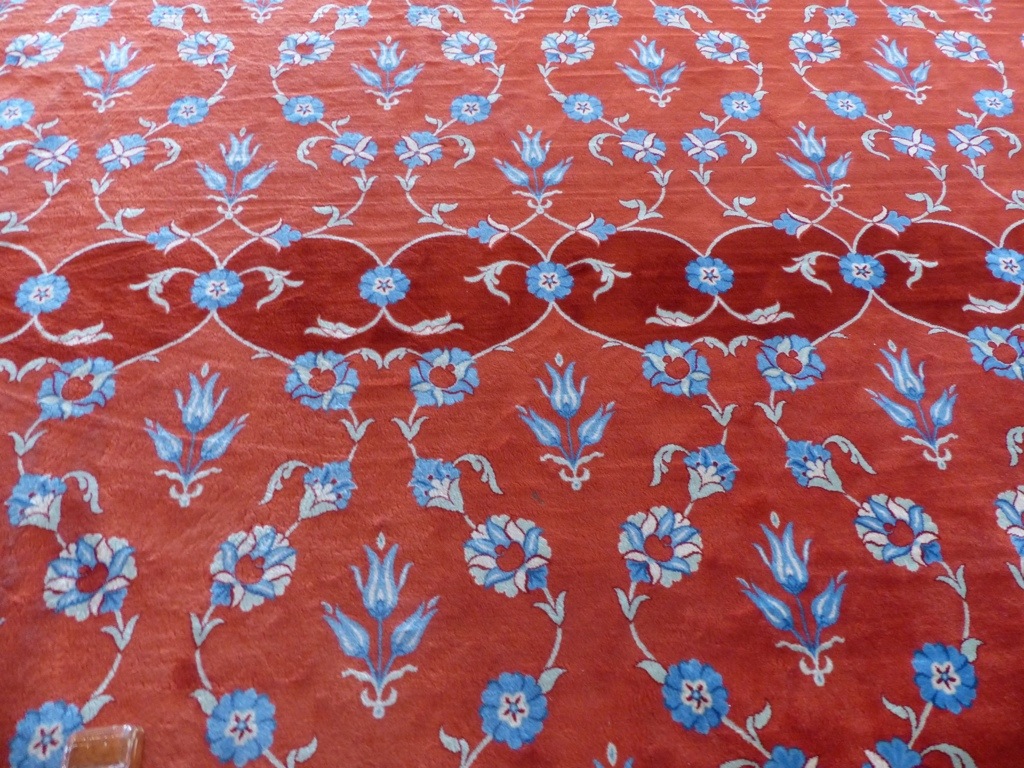
The floor of the mosque is covered by a beautiful carpet with a tulip design. The darker area of the rug is meant to be a place marker for where the men should line up for prayer. The dark portions are appropriately spaced to provide the men enough room to pray without bumping into one another.

20130912-113724.jpg

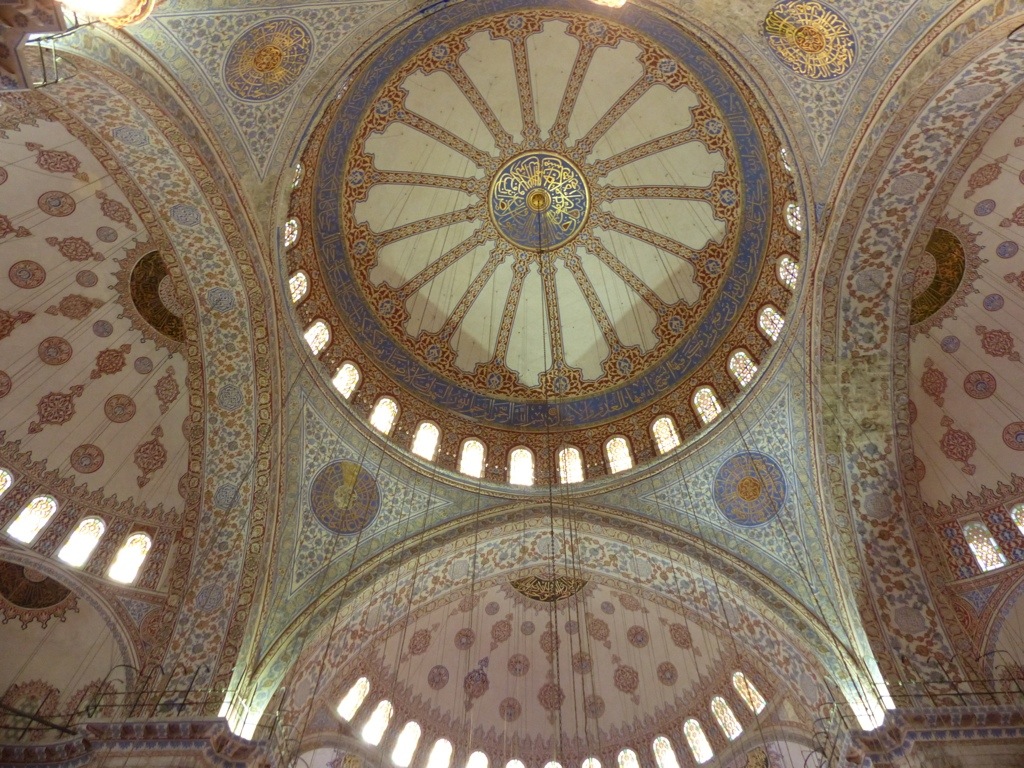
The decorations inside the mosque were absolutely stunning! This is definitely a must-see for anyone traveling to Turkey (but of course, I’m sure you already knew that).

20130912-113824.jpg

20130912-113852.jpg

20130912-113916.jpg

20130912-114108.jpg

20130912-114145.jpg

20130912-114242.jpg

20130912-114311.jpg

Standard
Destinations, Turkey

The Low Down on our Turkish Adventure

20130911-191829.jpg

Just a couple of days ago, Rob and I returned from an amazing vacation in Turkey. This vacation was not our typical travel scenario because we booked a guided tour rather than gallivanting around a new country on our own as we usually do. We booked the 13 Day Turkish Treasures package through Gate 1 which included a loaded itinerary as well as most of our meals. Here is a brief breakdown of our experience:

The Good

This vacation package was super affordable and there is NO way we would have been able to see as much as we did had we not booked through Gate 1. We stayed in Istanbul, Çanakkale, Izmir, Antalya, Cappadocia, and Ankara. Additionally, we visited Troy, Pergamum, Ephesus and Pamukkale. Rob and I were also extremely grateful that we didn’t have to do any of the driving. Typically, we are quite comfortable renting a car in a foreign country and navigating the streets on our own. This would not have been the case in Turkey. Many thanks go out to our amazing bus driver Jason (whose name was not actually Jason, but something much longer and Turkish)!

20130911-192526.jpg

The Bad

Rob and I are definitely used to doing things at our own pace while traveling and there were plenty of times during this trip when our tours moved much slower than we would have liked. But when you have a group of 40 people to accommodate we understood that it would have been impossible to please everyone when it came to tour speed. It was a bit frustrating at first, but we did our best to just go with the flow. Luckily, we had a wonderful group of people to share our travel experiences with and most of them didn’t seem to mind the slower pace of things. So Rob and I worked on our patience skills during the guided portions of our trip and then we were happy to relax and join our travel mates for drinks at the bar at the end of a very long day.

20130911-192650.jpg

The Ugly

Because we saw so many different cities, that meant there was a LOT of time spent on the bus to get to each new location. Early wake-ups and departures led to a lot of this…

20130911-192740.jpg

Doing the guided tour thing was a bit of an adjustment for us since it is not what we are used to, but overall it was a terrific way to see the country! While we didn’t have as much time as I would have liked in any given city, I am quite happy that we were able to see so many parts of the country because there is so much more to Turkey than just Istanbul. I took more pictures on this vacation than on any other trip in the past so stay tuned for lots of upcoming pics. Until then, here are just a couple more.

20130911-192847.jpg

20130911-192859.jpg

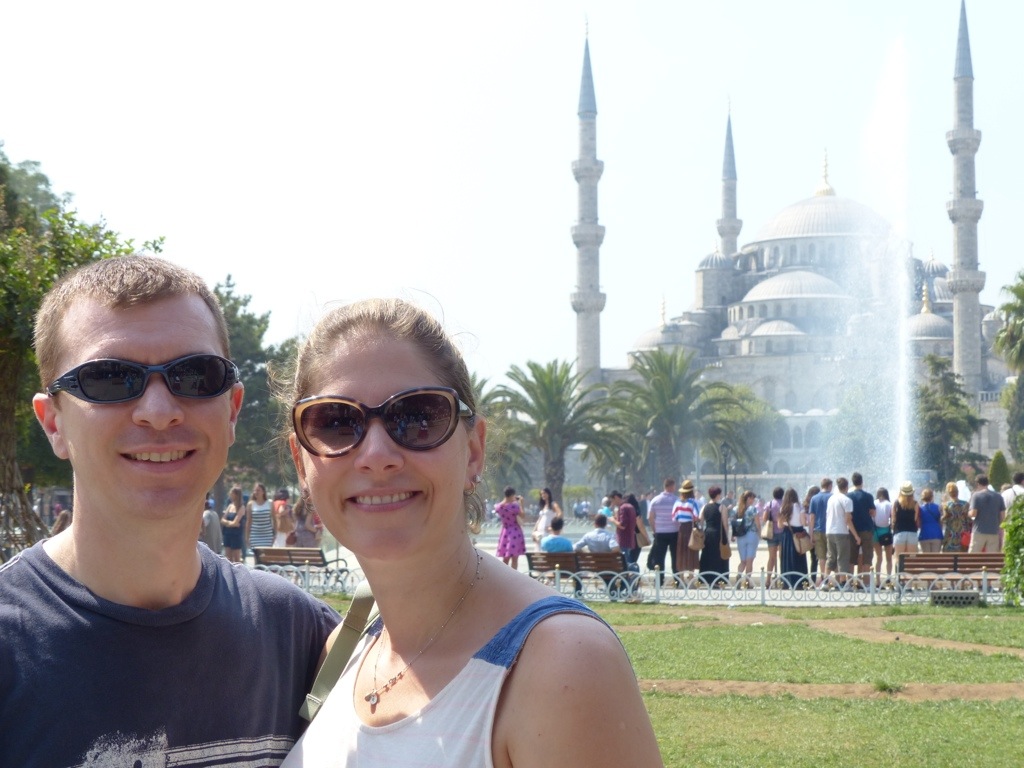
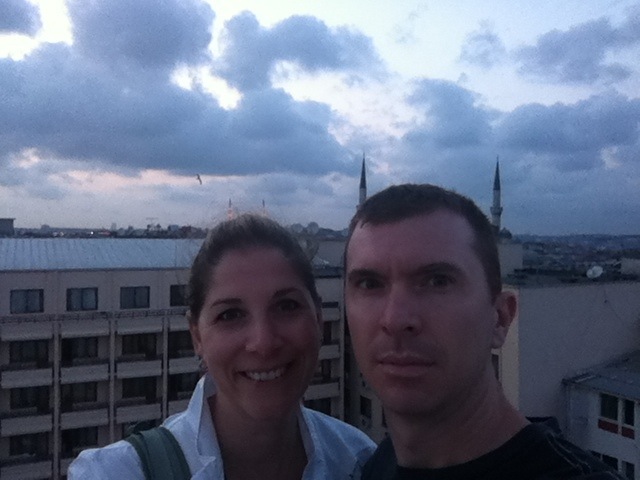
Leave it to Rob to make us look like little satans using minarets from a place of worship!

Standard
Destinations, United States, Virginia

Apple Picking for Acrophobics

20130820-143502.jpg20130820-143556.jpg

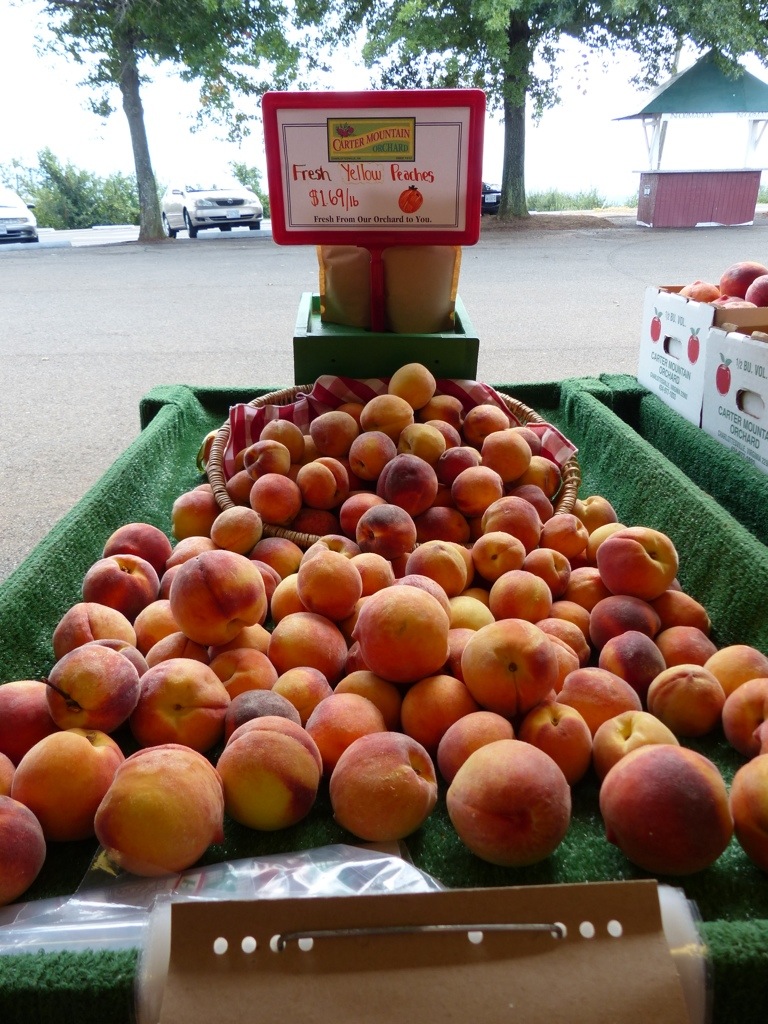
Just down the road from Monticello is Carter Mountain Orchard. Their sign advertising fresh peaches reeled me right in! I had never gone peach picking before and it sounded like a really fun thing to do. Only problem was all the peaches had already been picked off the trees. We were too late for peach picking, unless picking them from here counts?

20130820-143652.jpg20130820-143725.jpg

But we were just in time for apple picking and that was something else I had never done before.

20130820-143812.jpg

Apple picking was fun, but it was not quite the adventure I had envisioned. I had always pictured myself climbing a ladder (funny, I hate ladders!) to pick the perfect apples. Isn’t that how they always do it in the movies? Anyway, there were no ladders here. Just plenty of apples well within reach. Damn you easily accessible apples, ruining my dreams of movie-style apple picking! : )

20130820-143908.jpg

Once our apple selections were complete, we headed to the barn where they have lots of delicious treats. A bakery full of pies and cider donuts. And the country store full of preserves and other fruity goodness. We indulged in some peach cider donuts and they were worth it!

20130820-144254.jpg

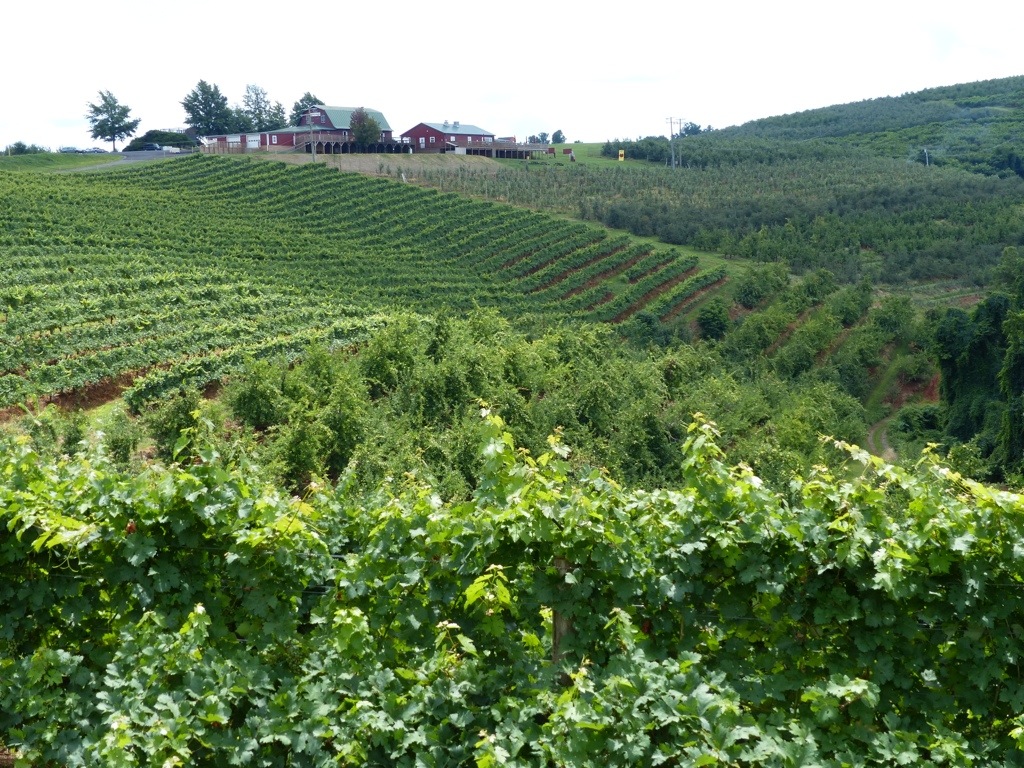
There are many orchards in Charlottesville, and while this one is the only one I have ever been to, I would highly recommend it based on the beautiful scenery alone! And the cider donuts don’t hurt either!

20130820-145942.jpg

Standard
Destinations, United States, Virginia

A Glimpse into Jefferson’s Garden

20130819-144004.jpg

When Jefferson referenced his “garden” in written records, he was usually referring to his vegetable garden. While the flower gardens of the West Lawn are lovely, they are miniscule in comparison to Jefferson’s vegetable garden. Monticello’s terraced vegetable garden is 1,000 feet long and the 19th century garden has been restored by referencing the meticulous notes of Jefferson’s Garden Book. Jefferson grew about 330 varieties of vegetables and herbs and today the garden serves as a seed bank to preserve 19th century vegetable varieties.

20130819-144135.jpg

20130819-144201.jpg

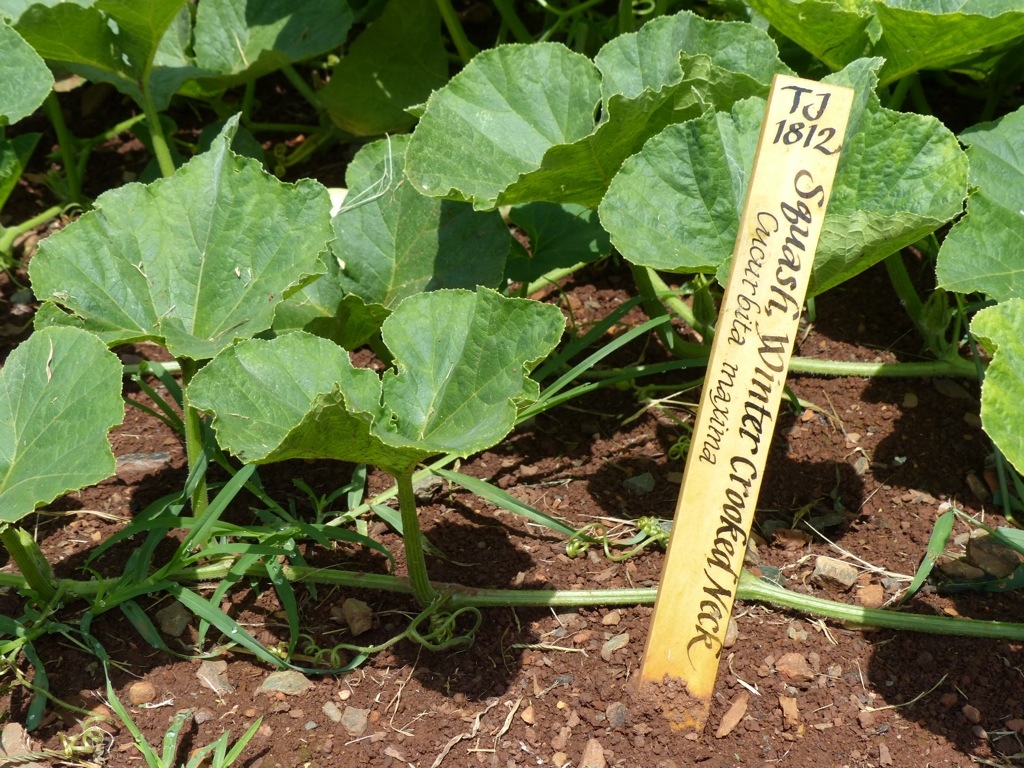
Today, the vegetables in the garden are labeled according to the notes found in Jefferson’s Garden Book. The stake marking this squash variety is marked “TJ 1812” which means it was first referenced in Thomas Jefferson’s Garden Book in 1812.

20130819-144322.jpg

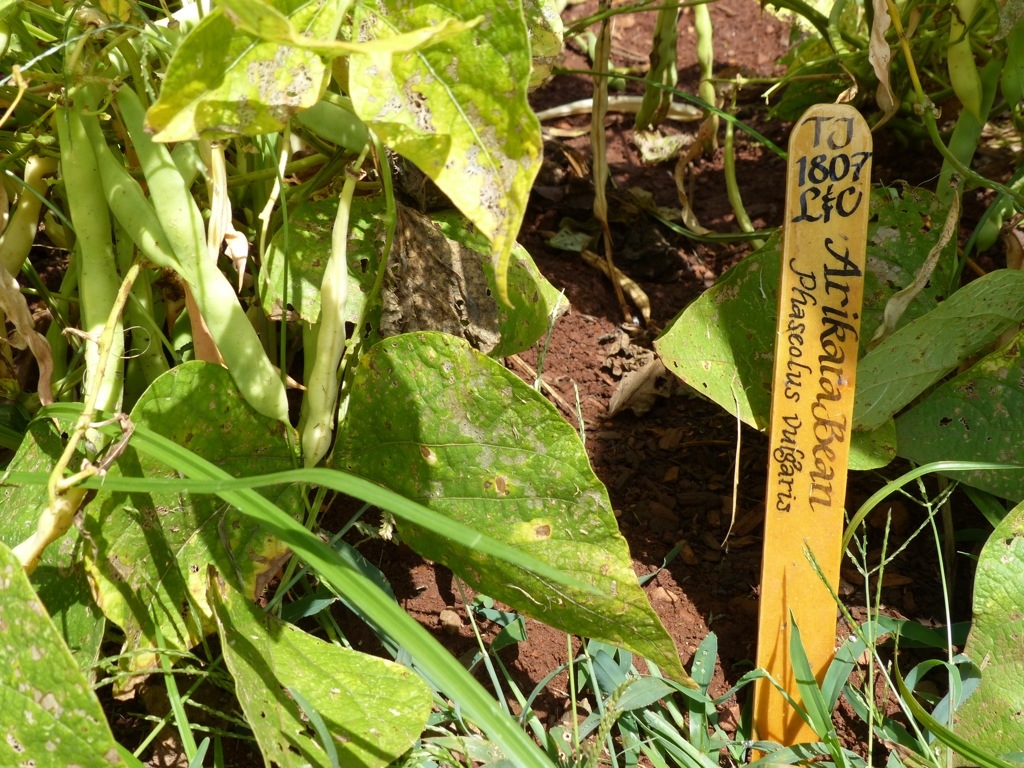
The stake marking this bean variety is labeled in a similar manner, but also shows “L&C” below the year. This means that this vegetable was brought back from the Lewis and Clark Expedition and planted in Jefferson’s garden in 1807. Jefferson’s presidency is most known for the Louisiana Purchase as well as the Lewis & Clark Expedition. In addition to adding vegetables to his garden, Jefferson also had many expedition “souvenirs” throughout his home that were brought back by Lewis & Clark.

20130819-144413.jpg

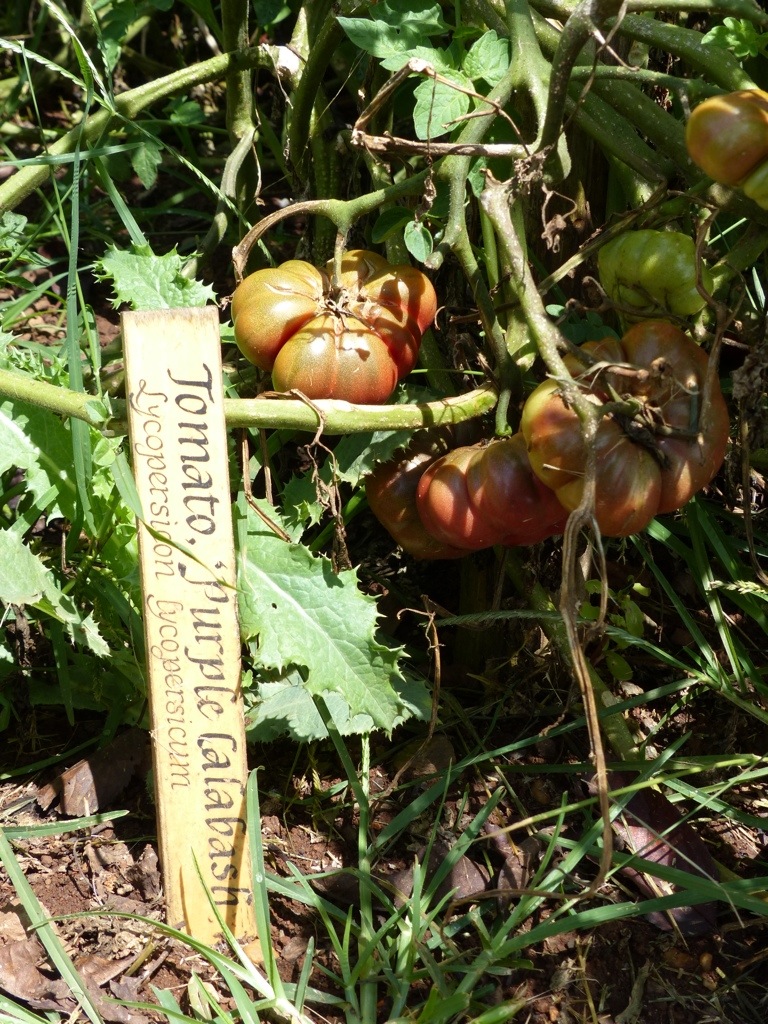
There are also other vegetables currently growing at Monticello that were never recorded in Jefferson’s Garden Book. This tomato plant for example, does not have his initials and/or a year marked on the stake, but it is believed that it was likely planted in Jefferson’s garden based on what vegetables were commonly planted in the region at that time.

20130819-144540.jpg

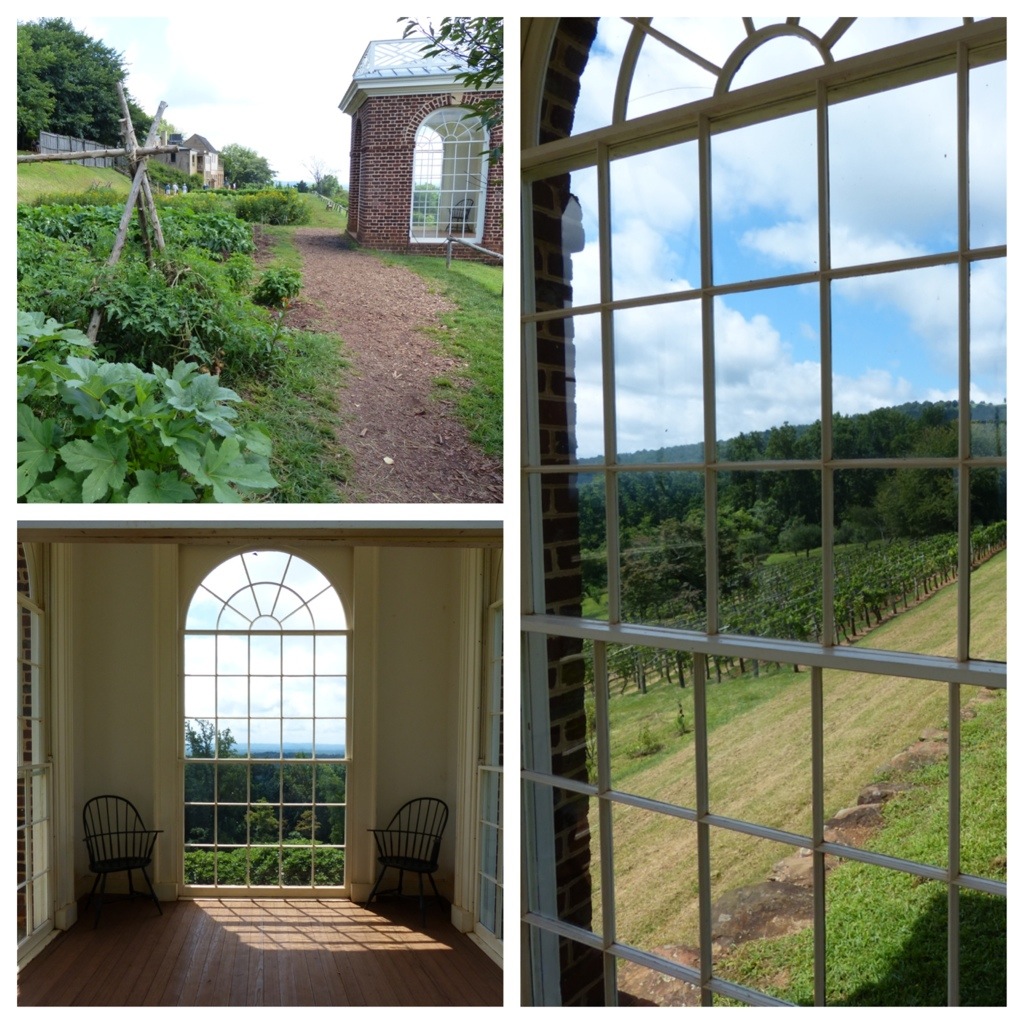
The garden pavilion sits in the middle of the garden and overlooks the eight-acre orchard, vineyard and berry plots. Jefferson used the pavilion as an evening reading location.

20130819-144633.jpg

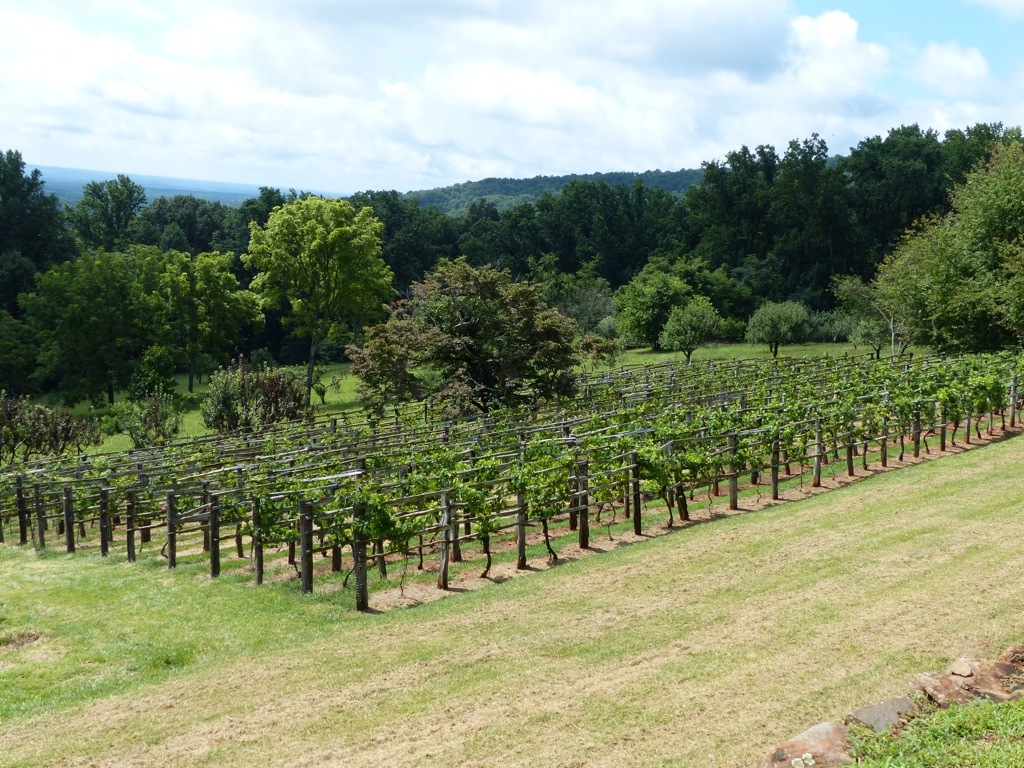
Thomas Jefferson was one of America’s original wine enthusiasts after serving as Minister to France. He was committed to growing European varieties of grapes at Monticello with the hopes of making his own wine. He never succeeded. Before the development of modern pesticides, these European varieties were extremely susceptible to local pests that killed the crop. However, Jefferson’s vision did lead to a successful wine market in Virginia. Today, Virginia ranks 5th in the country for the number of wineries and production of wine. And while it didn’t happen in Jefferson’s lifetime, Monticello successfully bottles about 1,000 bottles of wine every year.

20130819-144832.jpg

Today, the vegetables and fruit grown at Monticello are used at their tasting events, served at the Café at Monticello, or distributed to employees.

Standard
Destinations, United States, Virginia

Exploring Monticello

A visit to Monticello should be at the top of everyone’s list when visiting Charlottesville. The grounds are extensive and you could easily spend an entire day there. Tickets cost $24 each which includes a guided tour of the first floor of the house and then you are welcome to spend as much time as you like exploring the grounds. There are two optional guided tours included in the regular admission price: Gardens & Grounds and Slavery at Monticello. Or you can just opt to explore the grounds on your own, which is what Rob and I chose to do. Additionally, they offer tours of the upper floors of Monticello, but those tickets are $42 each, they only do a limited number each day, and they sell out quickly. So, maybe next time we will see the rest of the house…

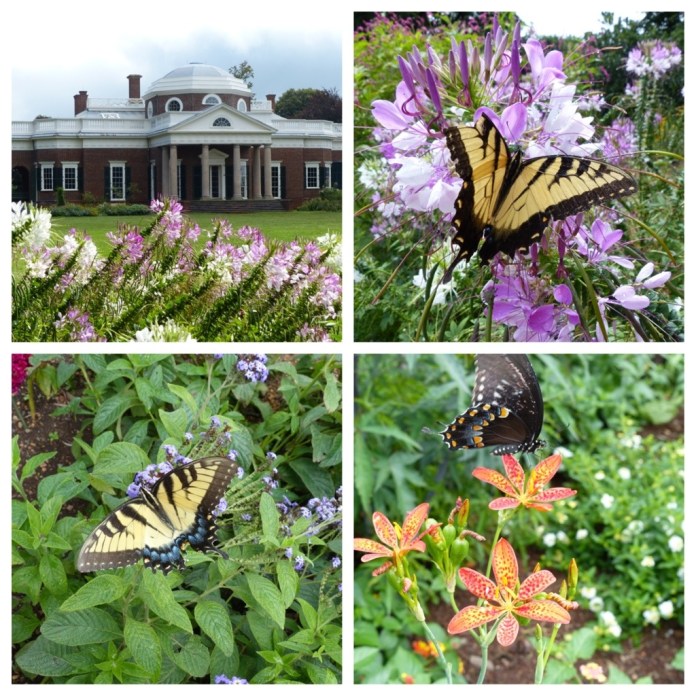
Thomas Jefferson spent much of his life involved in a variety of public service positions and his life was full of notable achievements. Undeniably, Jefferson’s greatest achievement was drafting the Declaration of Independence. To see a brief timeline of his life and other achievements, click here. Despite his very full schedule, Jefferson managed to find the time to design every aspect of Monticello; a project that he continuously updated and modified over a period of 40 years. He was a self-taught architect and began building Monticello when he was 26 years old after inheriting the land from his father. The house is situated on the summit of an 850 foot high peak in the Southwest Mountains. The name Monticello derives from Italian meaning “little mount.” Visitors are shuttled to the front entrance at the top of the mountain.

20130816-151023.jpg

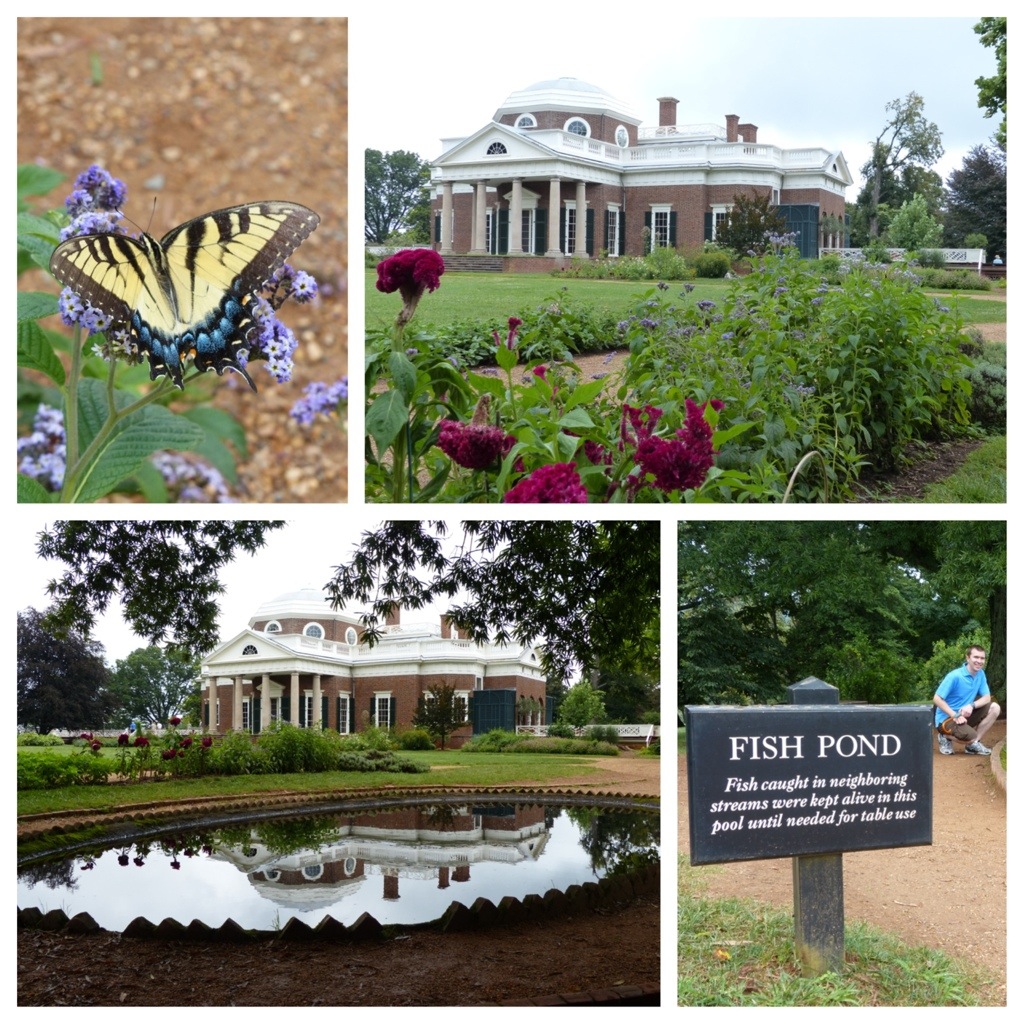
No pictures were allowed to be taken inside the home, but if you would like to get a glimpse of the interior rooms, click here. The view of Monticello from the West Lawn (rear of the house) is more famous than the view of the front of the home. The West Lawn is vibrant with beautiful gardens and butterflies galore. There is also a fish pond that was more function, than decoration. Fish were caught in nearby bodies of water and then “stored” in the fish pond until needed. A fabulous idea for an era before refrigerators!
20130816-151126.jpg

20130816-151154.jpg

Jefferson was always very outspoken about his views against slavery. However, he owned more than 600 slaves in his lifetime. He inherited about 175 slaves and the numbers naturally increased by the procreation of enslaved families. Jefferson purchased fewer than 30 slaves during his lifetime, which still seems like a lot to me for someone so outspoken about the abolition of slavery. But it is reported that he purchased these “few” based on labor needs and also to unite spouses. A fascinating aspect of Jefferson’s design of Monticello was the incorporation of hidden “dependencies.” Dependencies were necessary service rooms that remained accessible to the family and the slaves that worked there, but they were not visible to the public or even guests visiting the home. Two wings connected by an underground passageway provided the work spaces for the slaves that maintained the household. The kitchen, smokehouse, carriage bays, ice house, etc. were all connected to the home for easy access, but remained well out of public view. Did Jefferson have a guilty conscience for owning slaves, thereby designing his home in such a way to mask his contradiction?

20130816-151348.jpg

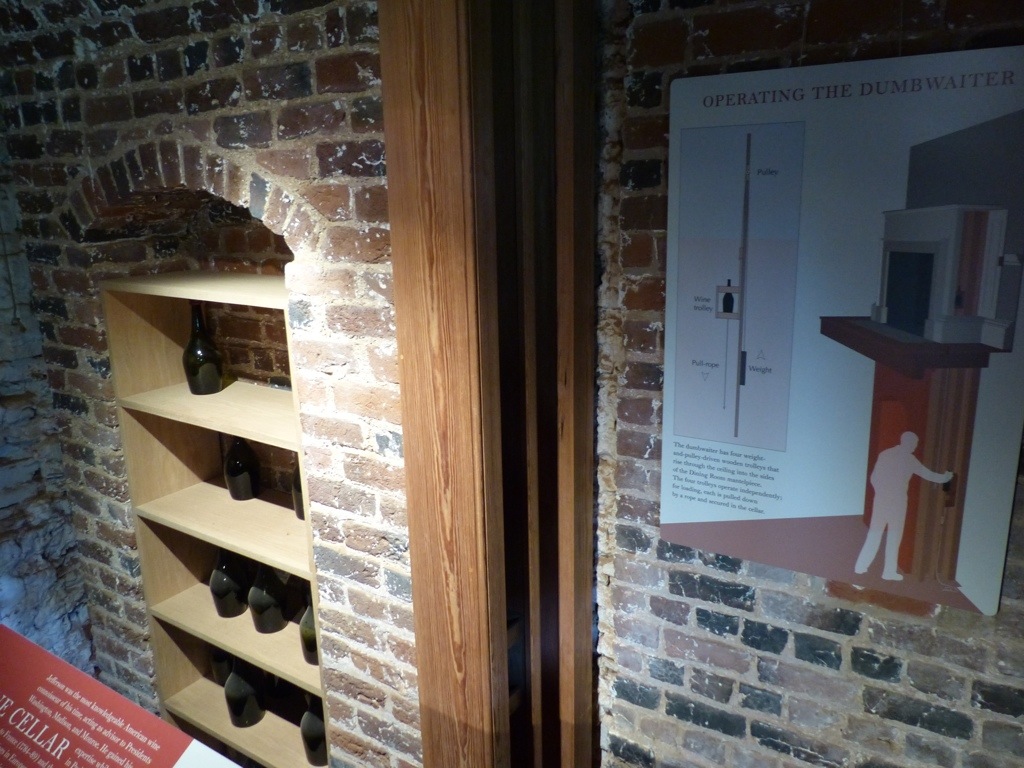
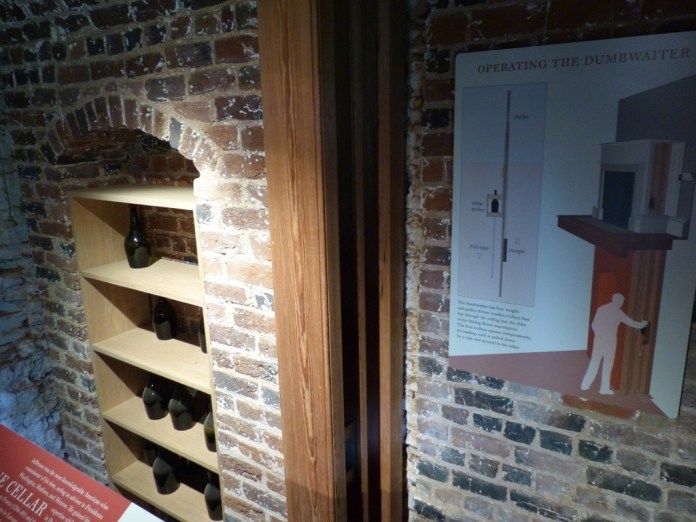
My favorite part was the wine cellar fully equipped with a dumbwaiter that lifted wine directly to a hidden compartment in the fire place of the dining room! While Jefferson was hosting a dinner with guests he would simply send the empty bottle down in the dumbwaiter and that was the signal for the slave in the wine cellar to promptly replace it. Now of course I am NOT an advocate of slavery. But I AM an advocate of speedy wine replenishment! Pure genius.
20130816-151440.jpg

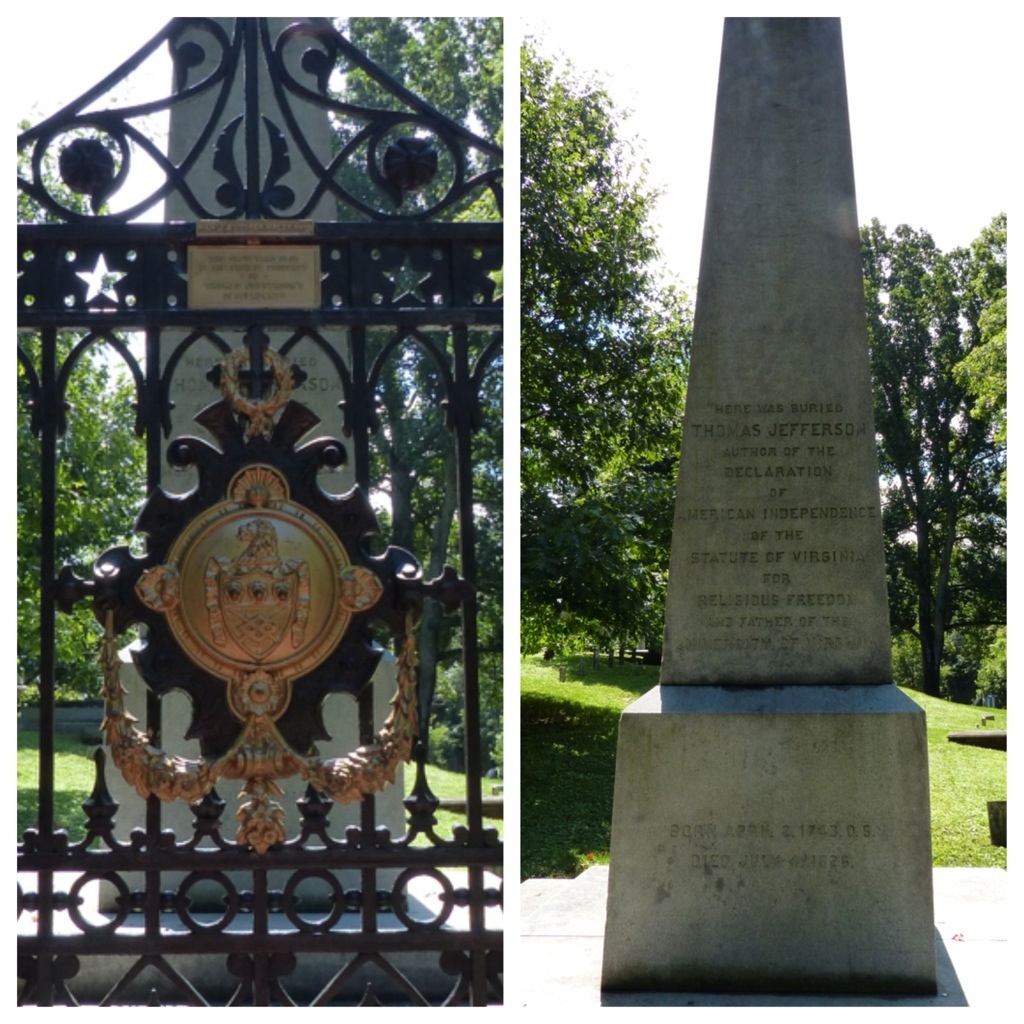
Thomas Jefferson chose his grave site at Monticello and he also wrote the epitaph for his tombstone. “Author of the Declaration of American Independence, of the Statue of Virginia for Religious Freedom, and Father of the University of Virginia.” It is said that these are the accomplishments that Jefferson was most proud of and what he wanted to be remembered for. Some might wonder why becoming a U.S. President didn’t make the cut. But Jefferson wanted to be remembered for what he gave to the people, not what the people gave to him. Jefferson died on July 4, 1826, exactly 50 years after signing the Declaration of Independence.

20130816-151525.jpg

Standard
Destinations, United States, Virginia

Dinsmore House Hospitality

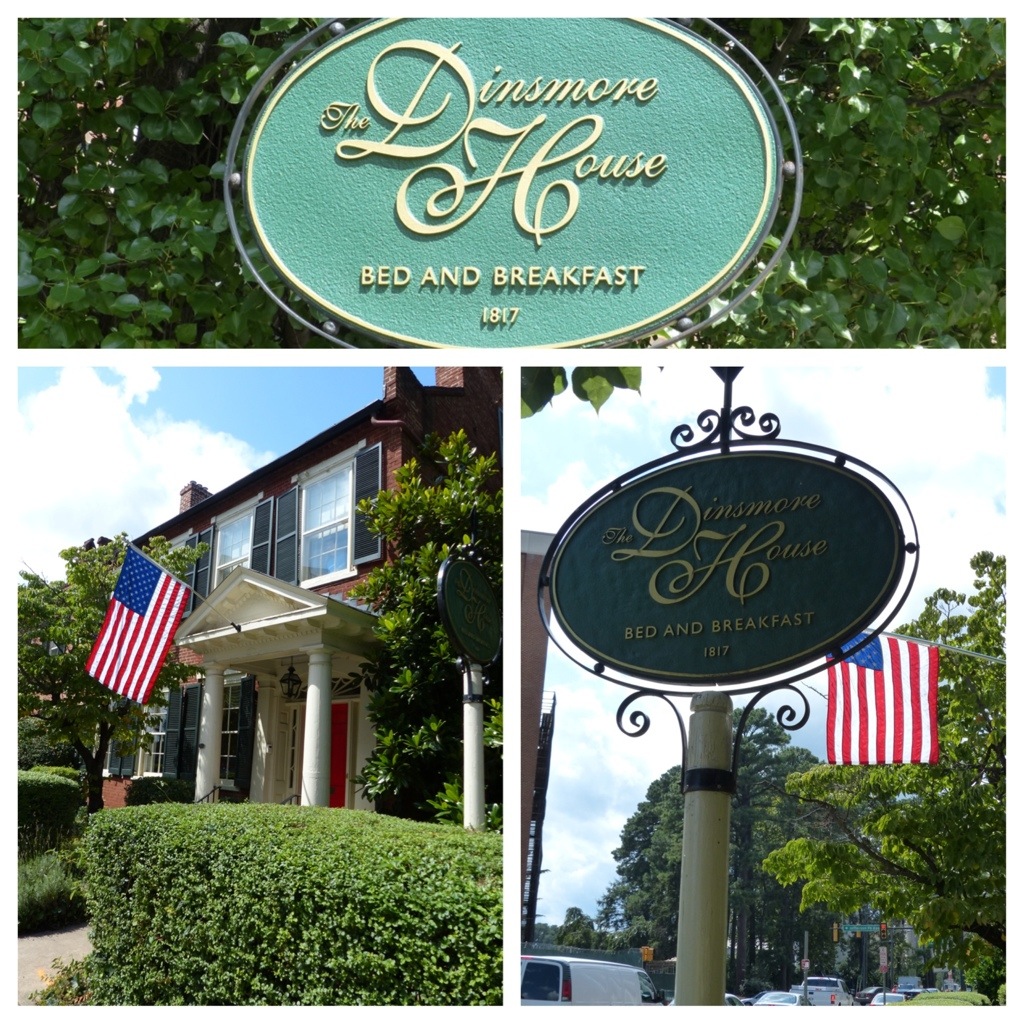
Rob and I wanted to stay at a cozy B&B during our stay in Charlottesville. We chose to stay at the historic Dinsmore House Inn in the heart of Charlottesville. This charming B&B is conveniently located one block from the University of Virginia and only 5 miles from Monticello. The home was built by James Dinsmore in 1817. Dinsmore was Thomas Jefferson’s master builder and his monumental construction achievements include Monticello, Montpelier, and the University of Virginia.

20130815-105529.jpg

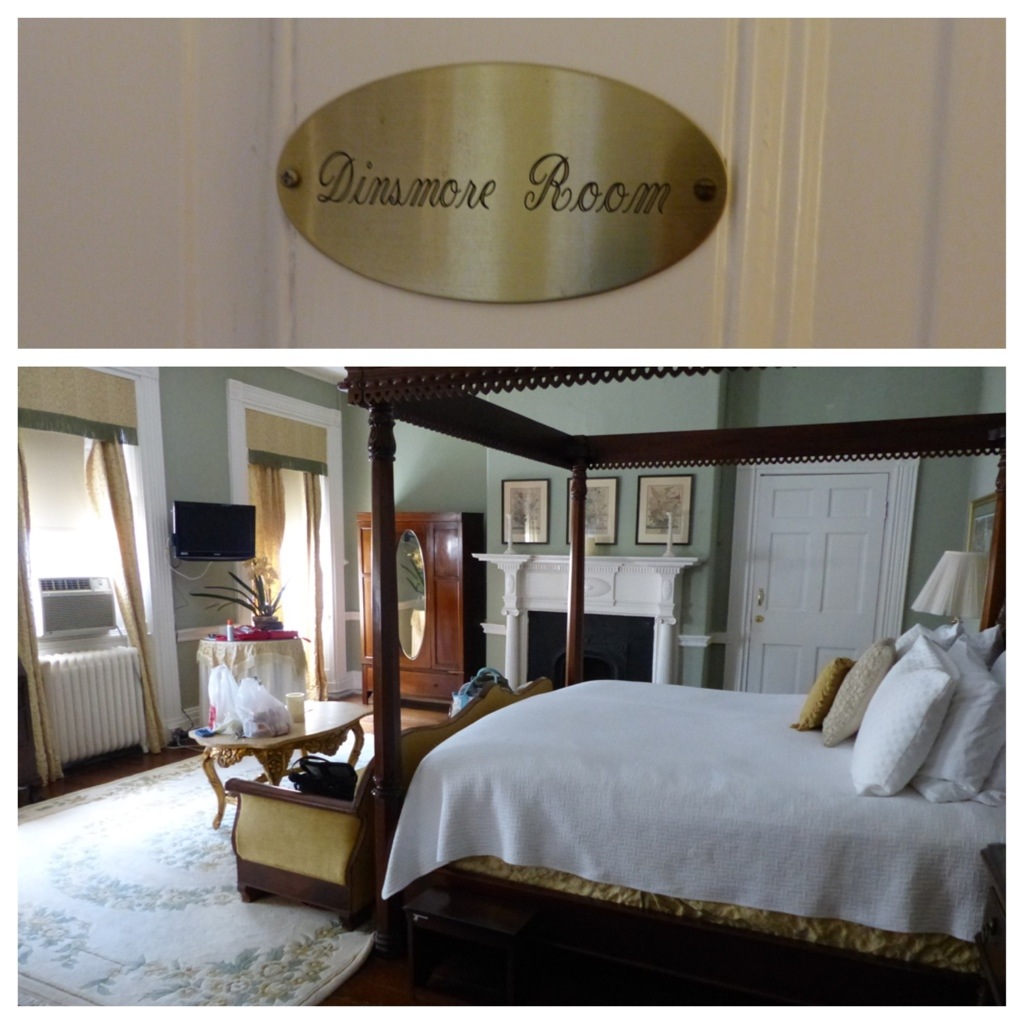
The inn was absolutely beautiful and I couldn’t have been more pleased with our accommodations. There are 8 guestrooms available and we stayed in the Dinsmore Room. The room was gorgeous and I couldn’t believe how large it was. Despite having a four-poster king-size bed, there was still an incredible amount of space in the room. The bathroom was also very nice with a large claw foot tub as well as a separate shower.

20130815-105640.jpg

20130815-105729.jpg

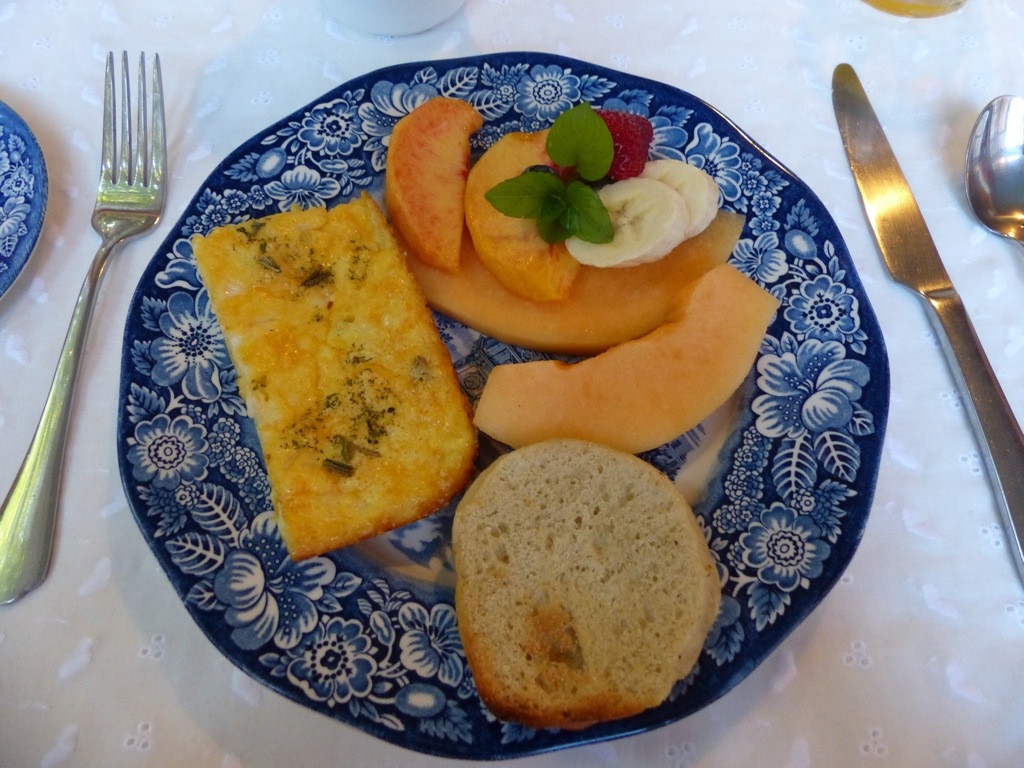
Every morning they serve a full complimentary breakfast. The meals we had were fabulous! Delicious dishes with fresh, local fruit, homemade English muffins, and even their very own homemade preserves. The preserves were actually the BEST I had ever had! S.E.R.I.O.U.S.L.Y.!! A delicious concoction of figs, apple and pear, oh my! The owner was very accommodating about dietary restrictions and made sure that everything was to our liking. In addition to the breakfast, the inn also hosts an afternoon social every day in the parlor offering light refreshments and a complimentary glass of wine or tea. I think it goes without saying here that I skipped the tea and went straight for the wine! As if that wasn’t hospitality enough, the inn always keeps a stocked refreshment station on the breakfast porch where guests can help themselves to free snacks, soft drinks and water. We thoroughly enjoyed our stay at the Dinsmore House Inn. If you ever find yourself in the Charlottesville area and in need of a good B&B, I would definitely recommend this location.

20130815-105828.jpg

Standard