Destinations, Nicaragua

La Flor Beach Natural Reserve, Part 2

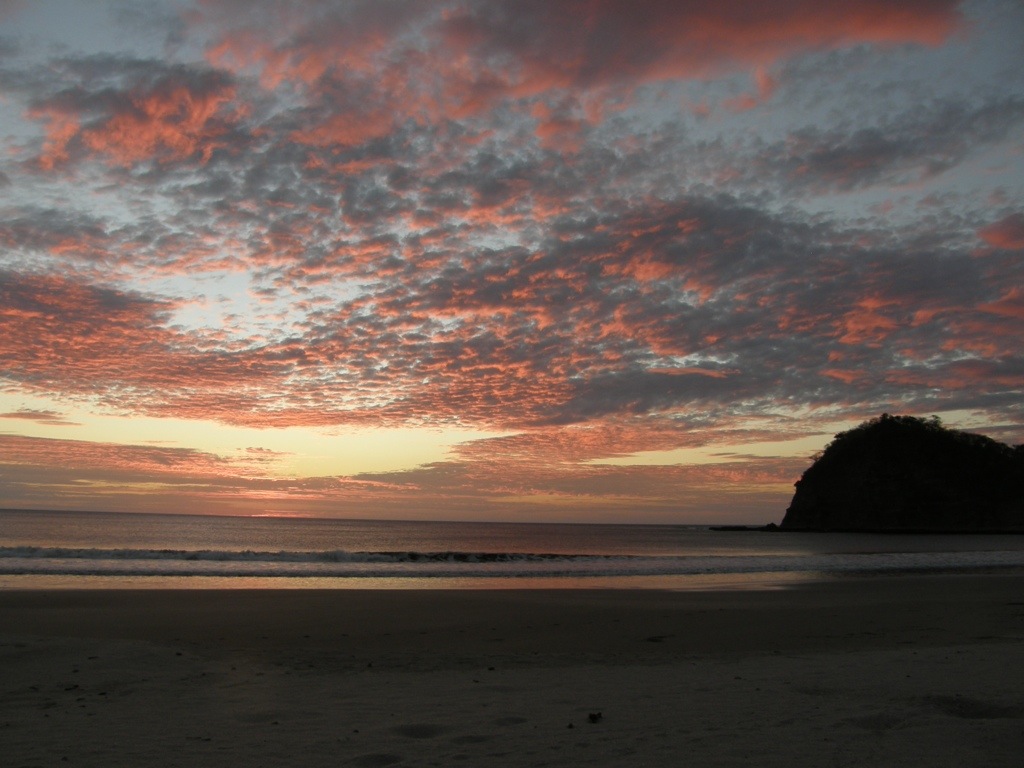
We returned to La Flor Beach just in time to catch another beautiful sunset.

20130204-153507.jpg

Sunset at La Flor Beach

20130204-153643.jpg

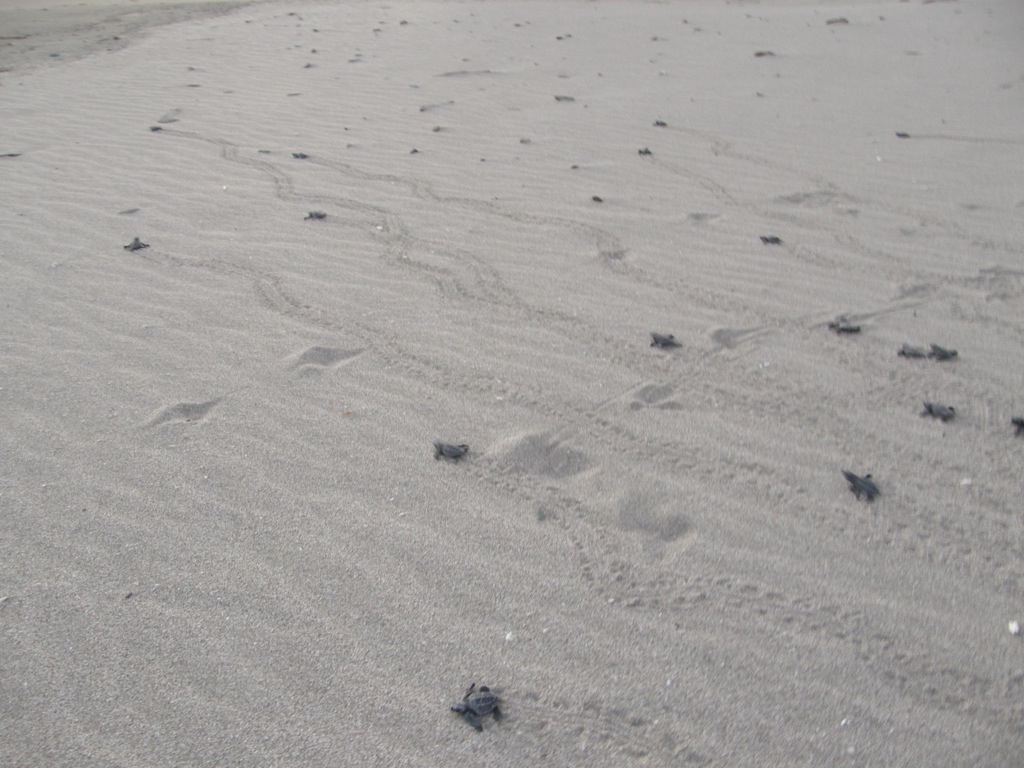
Shortly after that, Rob spotted another congregation of birds on the beach. After our experience earlier in the day, we knew that meant more turtles were hatching. We rushed over to scare away the birds and we watched more turtles dig their way out of the sand and make their way to the ocean. Rob was able to get some video, so now you can see it in action too.

These turtles seemed to have a much greater chance of survival because all of those pesky sea birds were gone! This time around it didn’t seem like the turtles were in imminent danger, so I allowed them to make the journey on their own. I just stood close by and lent a watchful eye to make sure the land birds didn’t try to sneak back.

20130204-153743.jpg

20130204-153902.jpg

It was really cool to see all the turtle tracks in the sand as they waddled their way to the water!

20130204-154134.jpg

20130204-154333.jpg

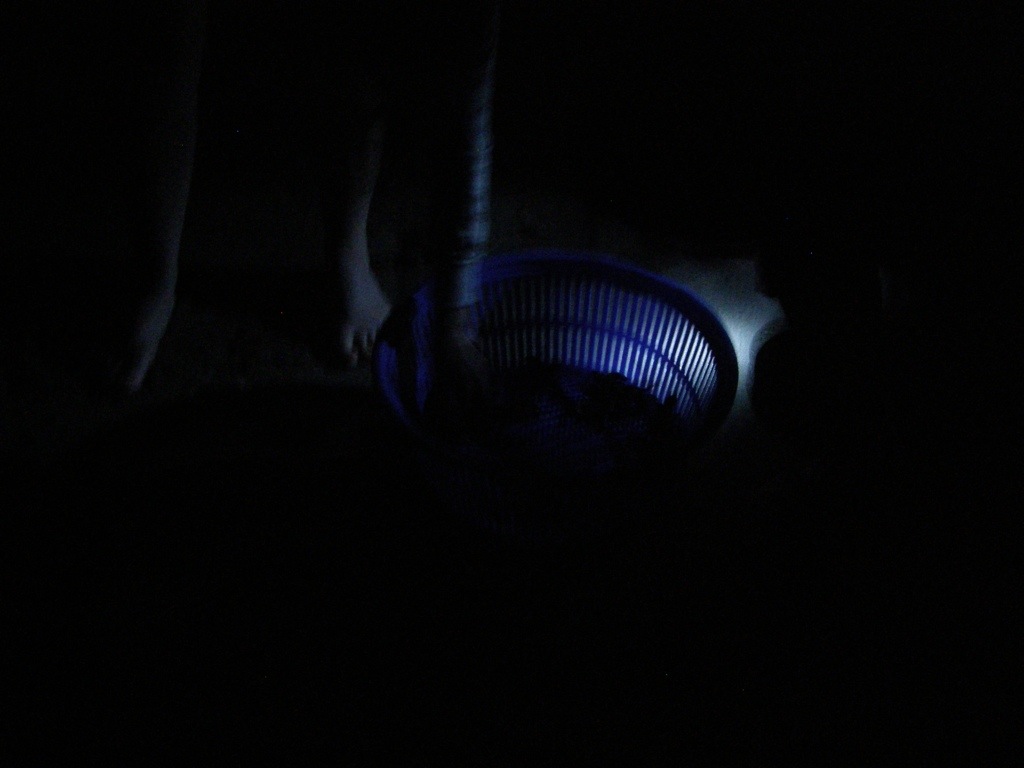
We hung around a bit longer to wait for the turtles in the basket (from Part 1) to be released. Finally, after it was completely dark outside, someone brought the basket of baby turtles to the beach. By this time, even the land birds were long gone, so it seemed like these turtles had a great chance for survival. The only problem was they had been in that basket for a very long time and I think they must have been exhausted from trying to climb out of the basket all day long. There were a few of them that made a bee-line right for the water, but most of them putzed along rather slowly. After a while, we decided it was time to offer a “little push” to the ones that were struggling. Or as the local said “thats okay, we will help the ones who look a little sad” (translated by Tami).

20130204-154428.jpg

20130204-154531.jpg

Standard
Destinations, Nicaragua

La Flor Beach Natural Reserve, Part 1

Just a short distance from Playa Coco, lies the La Flor Beach Natural Reserve. This beach is considered a sanctuary of nature because Olive Ridley turtles come to the beach en masse to lay their eggs. Thousands of turtles arrive at the same time, an event called arribadas, and each turtle will lay about 100 eggs. The eggs will hatch about 50 days later and swarm the beach. The arribadas increases the hatchlings’ chance of survival because when they hatch in huge numbers, they outnumber their prey making it possible for more of them to survive. Seven arribadas occur every year between July and January. Despite these numbers, the Olive Ridley turtles are still threatened, and in some places they are endangered. We were there very late in the season, so we didn’t see any turtles laying their eggs, but we did see a LOT of turtles hatching. We also witnessed first-hand just how difficult their initial journey can be.

20130204-153249.jpg

Upon arriving at the beach, we paid our entrance fee of 200 cordoba each (about $8). We noticed there was a basket of baby turtles on the ground and we learned that these turtles had hatched too late in the morning, so the employees of the reserve collected them in the basket and planned to release them later in the evening (this would make more sense later). He told us if we came back around 6 p.m. we could watch these turtles being released. The picture below is blurry because the turtles were desperately trying to climb out of the basket and I was not allowed to use a flash.

20130204-125229.jpg

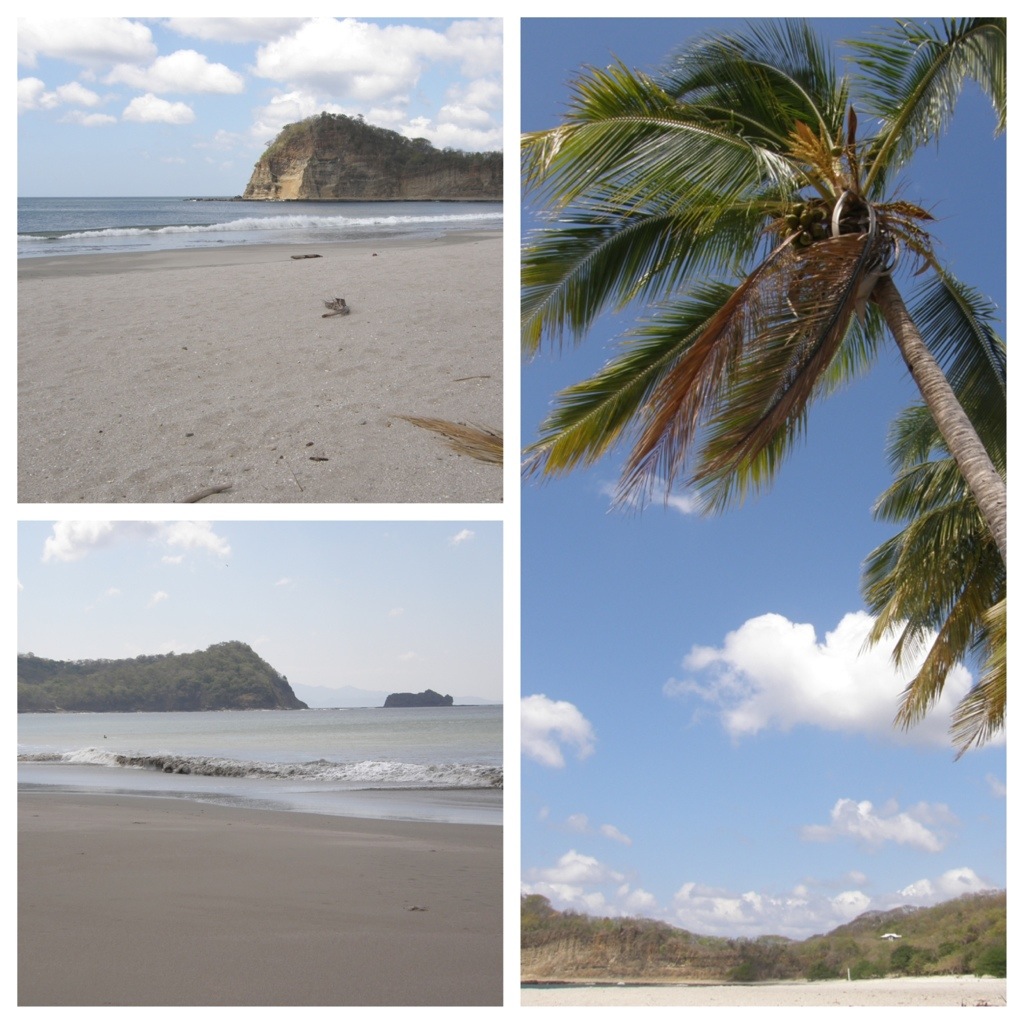
We walked onto the beach and we were the ONLY visitors there. The beach was beautiful and it seemed like the Olive Ridley turtles had picked a fine nesting ground! We weren’t exactly sure what kind of show nature would provide for us, but in the meantime, we were happy to enjoy the view.

20130204-125326.jpg

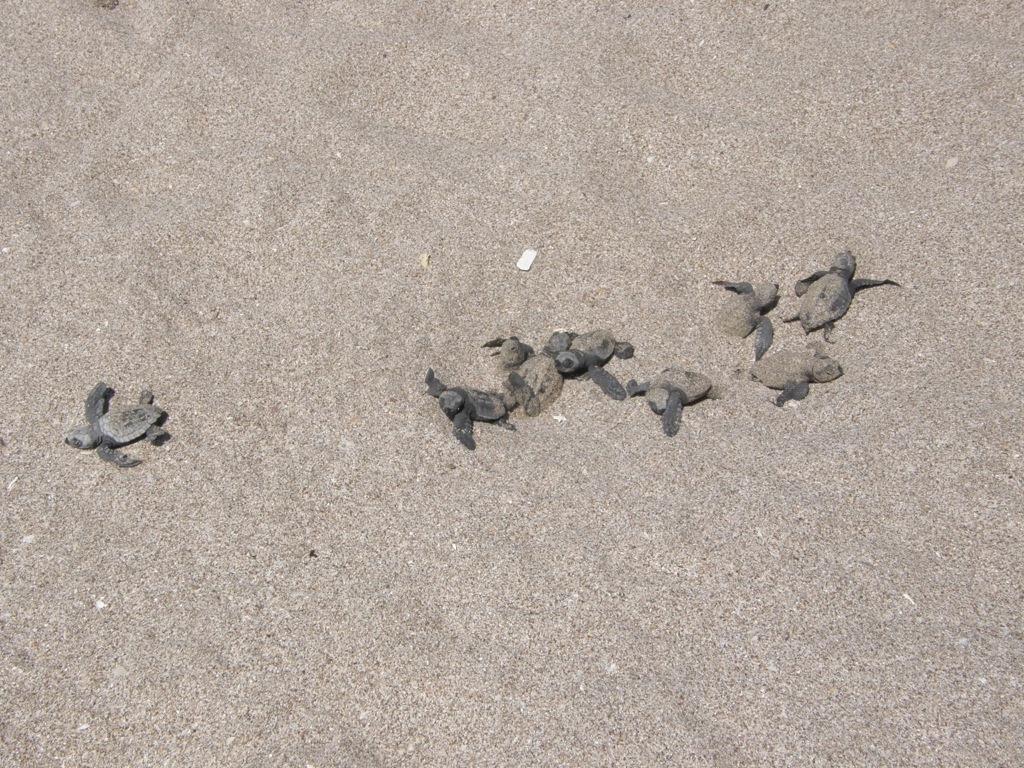
Rob was exploring the beach when he noticed birds congregating on the beach. He quickly realized that a nest of turtles was hatching and the congregation of birds was there for a feast. He called over Tami and I and our Tortuga Rescue began.

20130204-125425.jpg

20130204-125606.jpg

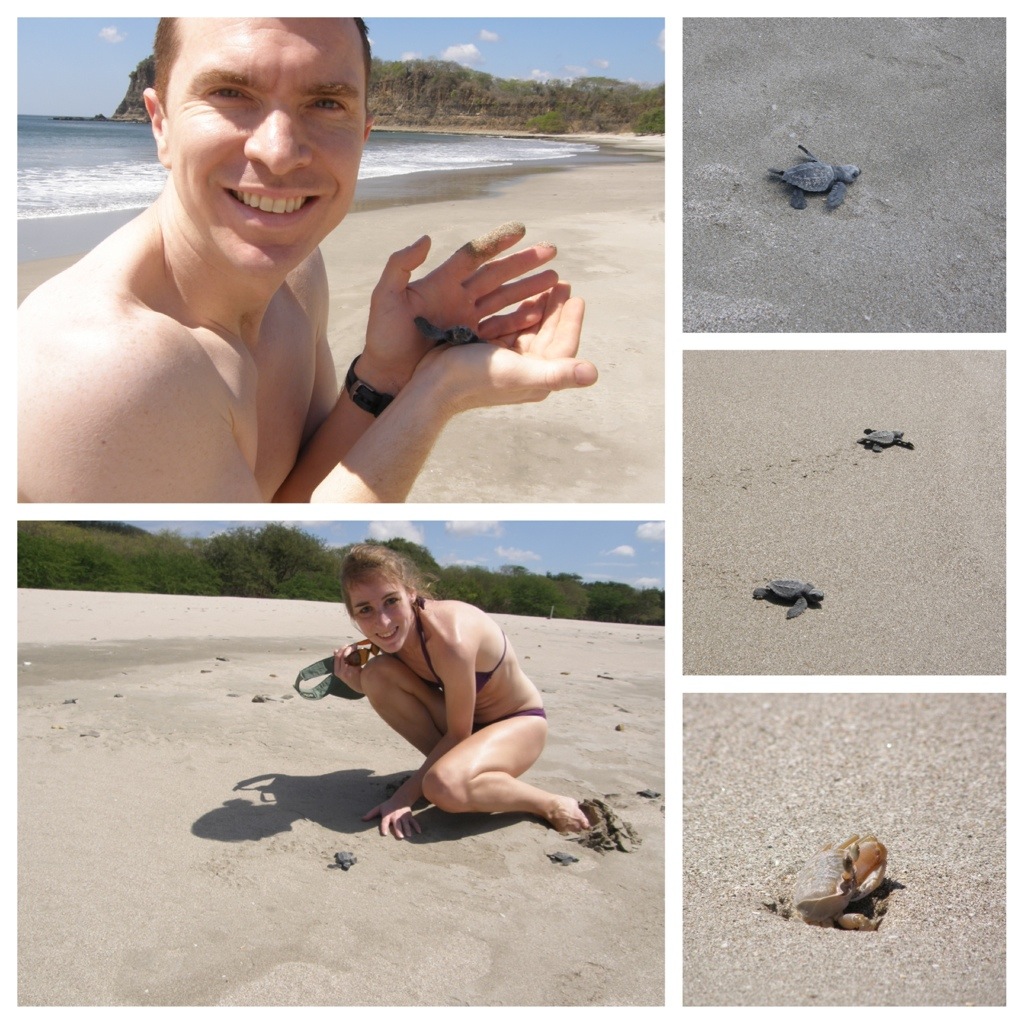
We scared away all of the land birds and we even had to scare away several crabs that popped out of their holes in the sand and tried to grab the baby turtles. Were we allowed to touch the turtles? Technically, no, we were not supposed to touch the turtles. I’m a fan of Darwin and I understand the “survival of the fittest” concept, but these little guys were just too cute and we felt like we had to try to rescue them. We found other nests that were hatching at the same time and it was beginning to get harder to keep the birds away, so we started our own turtle escort service. We were trying to get as many turtles safely into the water as we possibly could (even if it meant picking them up and racing them to the water ourselves).

20130204-125734.jpg

So, we likely saved a large proportion of them from the crabs and the land birds. But, there was little that we could do to protect them from the sea birds (let alone all the fish that were waiting to eat them). The sea birds were swarming the waves and just picking off the turtles one-by-one. It was enough to get even me in the water to try to scare them off! I ended up in the water waving my arms around like a mad woman trying to scare off the birds. But the birds were relentless and kept dive-bombing the water, rarely ever coming out empty-beaked.

20130204-125837.jpg

It was as amazing to see these little guys hatch and head for the shore, as it was disheartening to see how many of them didn’t make it. I was really glad we were able to witness these baby turtles digging their way out of the sand and I hope that we at least saved a few of them in the process. After all of the excitement was over, we decided to return to our condo, but we planned to come back to the Reserve for the evening turtle release.

20130204-130002.jpg

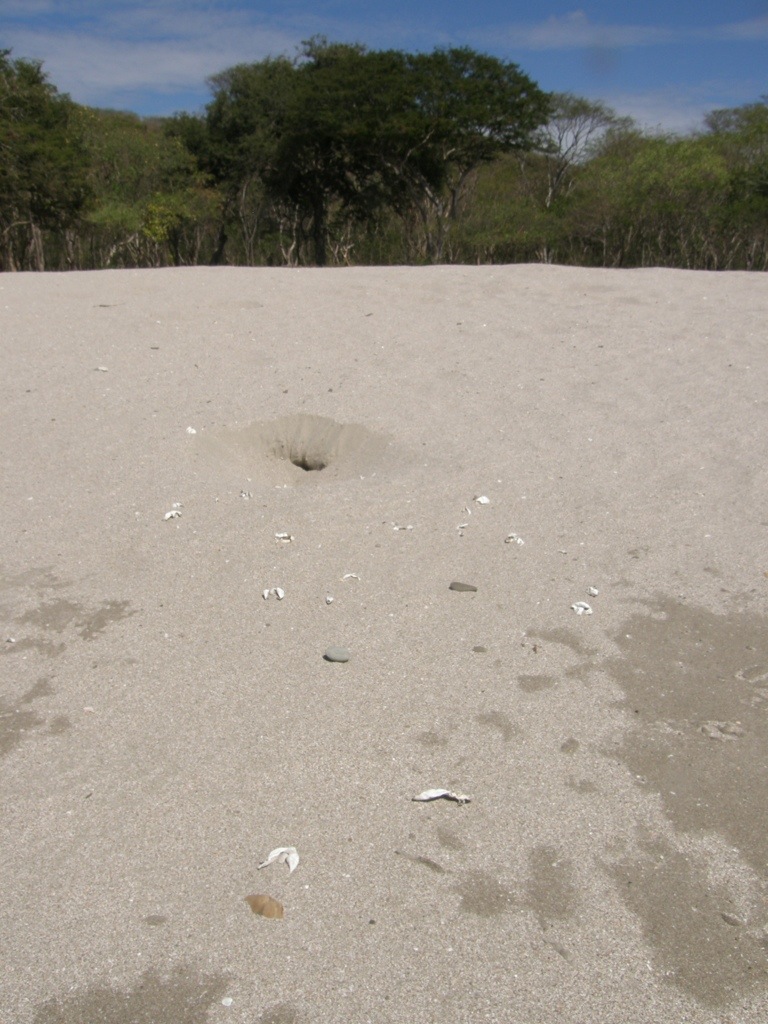
Remnants of a turtle nesting area

Standard
Destinations, Nicaragua

Chillin’ With the Locals

During our stay at Playa Coco we quickly became friends with the locals. The local animals, that is! Playa Coco is “home” to several stray dogs and cats, and of course I wished I could take all of them home with me. Since that wasn’t an option, I did the next best thing. I saved my table scraps and shared my Nutri Grain bars (which Rob was not happy about) and we put out fresh drinking water every day. These dogs were so stinking cute, and even though you could clearly see how famished they were, they sat patiently and politely waiting for whatever food you could spare (rather than nearly taking your hand off as some pets do when you give them a treat!)

20130202-211005.jpg

I named the dog above Baby Girl. She had already had at least one litter, but I could tell from her teeth that she was still just a pup herself. She was covered in fleas and I could see way too many ribs, but she was so sweet! Even when I had no food to give her, she was content to just chill on the patio with me while I read.

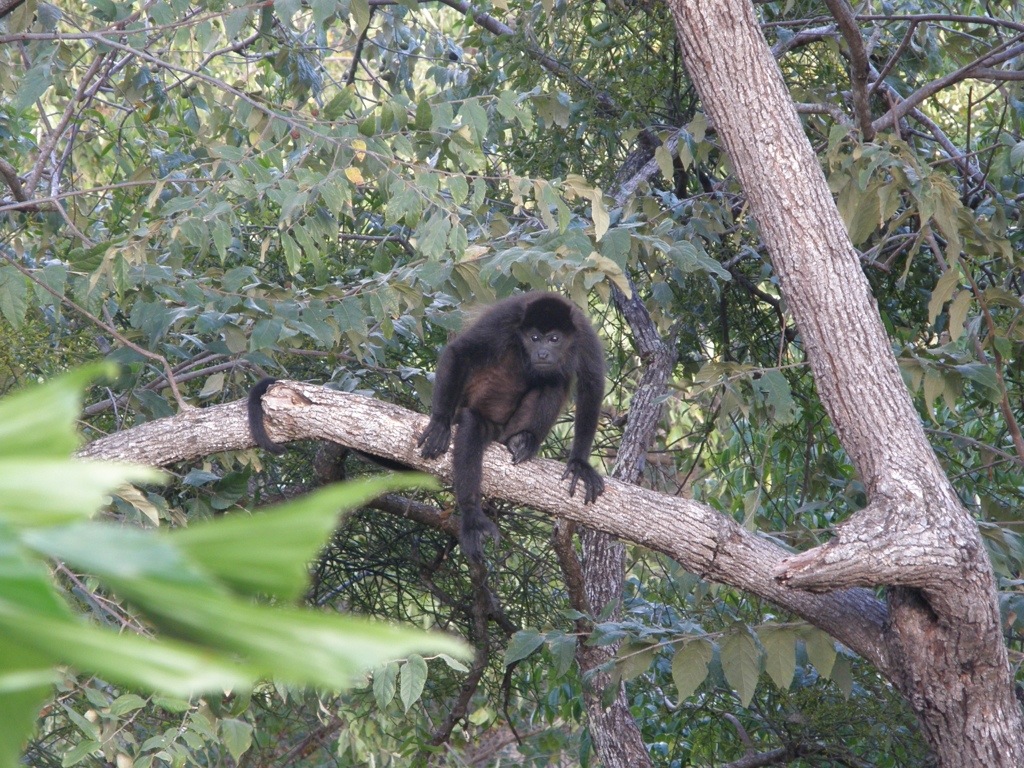
We also got some face time with a few Howler Monkeys in the trees right outside our condo. I was super excited to see them up close because Rob and I could always hear them during our honeymoon in Costa Rica, but we never really got a good view of them. Howler Monkeys rarely ever come down from the trees, making them much harder to see close-up. Luckily for us, we had a sweet roof-top deck that allowed us a great view!

20130202-211817.jpg

Howler Monkey

20130202-211937.jpg

The sound of a Howler Monkey is quite unique. I recently learned that they are actually the loudest land animals on the planet! I would never have guessed that these little guys could beat out the roar of a lion or the trumpet of an elephant, but I guess it is true. The only creature louder than a Howler Monkey is the Blue Whale.

If you have never heard a Howler Monkey, click here for an audio clip.

Finally, Rob had a rather unpleasant experience with the local wildlife when he got stung by a jellyfish. You know who didn’t get stung by a jellyfish? That’s right… me, because I don’t go in the water! It’s dangerous in there. I did, however, feel like I was obligated to offer to pee on him to alleviate the stinging (and I guess some people are just into that kind of thing anyway), but he promptly declined my offer (as well as opted out of going back into the ocean for the rest of our trip!)

Standard
Destinations, Nicaragua

Playa Coco

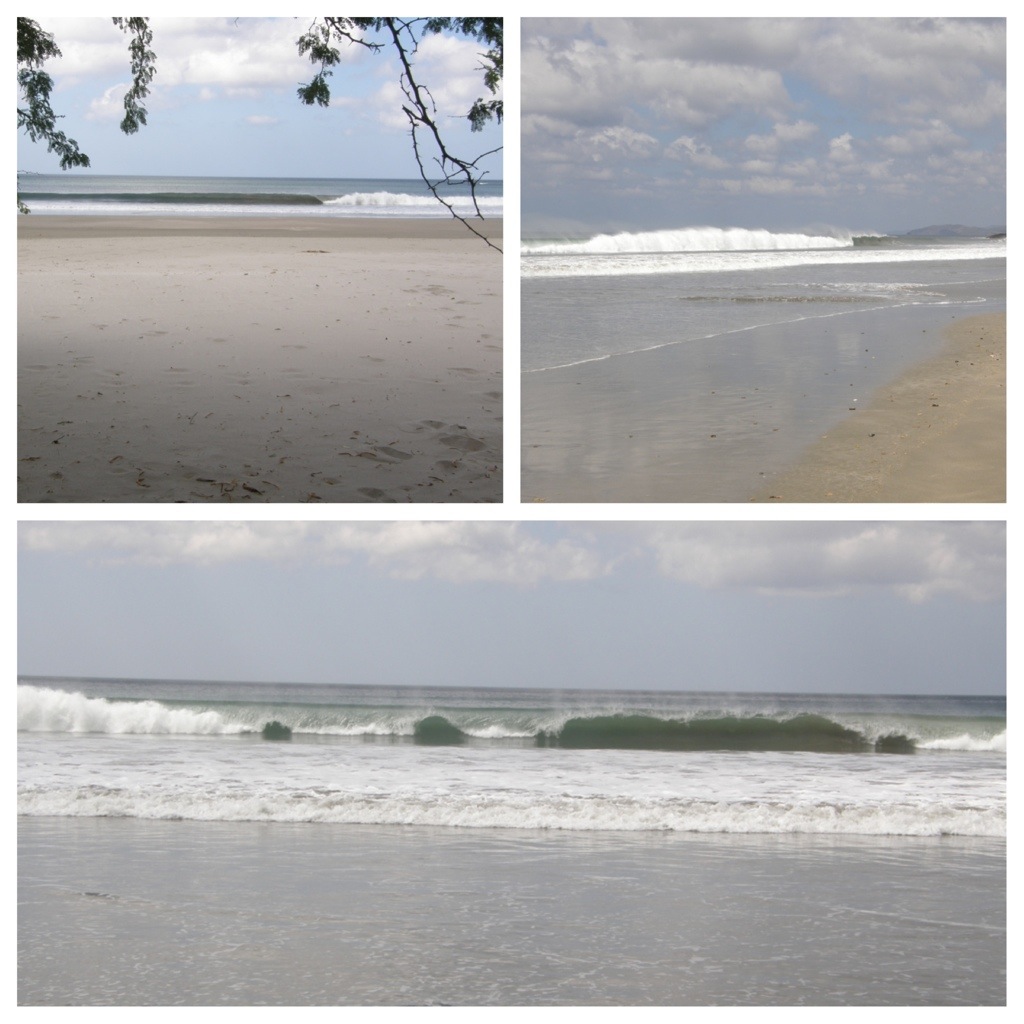
Playa Coco is a beautiful beach along the Pacific Coast of southern Nicaragua. It is considered one of the most spectacular beaches along Nicaragua’s Pacific Coast. The beach is about 1 kilometer long and it is quite pristine due to its remote location. The closest town is San Juan del Sur, approximately 12 kilometers away. It is about a 25 minute drive from San Juan del Sur to Playa Coco via a combination of paved and unpaved roads. Because this beach is off the beaten path, it is not at all crowded, making it the perfect place for rest and relaxation.

20130201-151503.jpg

20130201-151546.jpg

But this beach isn’t just for lounging. The waves at Playa Coco are ideal for surfing, making this locale a surfer’s paradise as well. We saw both veteran and novice surfers hitting the waves during our stay. Did I do any surfing, you ask? Yes! I did a lot of page surfing on my Kindle while listening to the waves crash in front of me. In case you didn’t already know this about me, I do not go into bodies of water unless I can see my feet (and all the other creatures) through the water.

20130201-151658.jpg

Our luxurious, beachfront rental townhome was amazing and very affordable. The rental was part of a small, gated townhome community with 24 hour security. Each townhome had a magnificent view of the beach, private roof-top deck, garden patio, and stone walkways to the beach. Additionally, there was an oceanfront pool, as well as lush, tropical landscaping that was maintained daily.

20130201-151813.jpg

Local restaurants and/or amenities were limited at Playa Coco. So, if you are looking for an area with lots of restaurant options and/or an active nightlife, this is probably not the place for you. There were just a couple of restaurants nearby and we were told they were quite expensive (exploiting the fact that options were limited). So we opted to eat-in on most days. We did our grocery shopping in San Juan del Sur and made sure to replenish our rum stock when needed.

A family renting the unit next to us, decided to walk to one of the nearby beach restaurants and they were robbed by a guy with a machete on their walk back to the property. The gated community with 24 hour security felt quite safe to me. But, outside the secured perimeter is a different matter altogether! Packing tip: If you plan to walk around at night in isolated areas of Nicaragua, you might want to bring your own machete. This is completely legal as long as you check your bag!

Standard
Destinations, Nicaragua

Welcome to Nicaragua….y policia corrupcion

It was an extremely long day getting from DC to our condo in Nicaragua. After landing in Managua and picking up our rental car (where we were taken through the most thorough rental car inspection of our lives!) we headed south to Playa Coco. We were all a bit nervous about the two hour trip because we heard that signage wasn’t that good and the directions we were given were shoddy at best. No worries though, Rob and I are always up for a little adventure. Or so we thought…

Rob and I have traveled the globe and we have never had any issues driving in a foreign land. After being in country for just a few short hours, and in the car for only two hours, we were pulled over not once, but TWICE! Each time, the police officer got Rob’s driver’s license in hand and basically held it for ransom. Rob and Tami were doing an excellent job using their linguistic skills to try to get us out of a sticky situation while I just sat there wondering what the hell the three of them were saying. Me = no habla.

How it all began:

Unsure if we were driving in the right direction, we decided to turn around to look at the road signs once more and then we pulled to the side of the road to get our bearings straight. Cue traffic stop #1. A police officer pulled up next to us and began listing off all the illegal components of our maneuver. Rob and Tami’s apologetic pleas were getting us nowhere with this police officer. He clearly wanted money, not our pathetic excuses about being confused with our directions. And judging by the way he kept listing off the infractions one by one, this was not going to be cheap. With Rob’s license in his hand he got back on his motorcycle (or maybe it was a moped, I can’t recall) and told us to follow him. We were certain we were going to end up at some police station and pay dearly for the very minor traffic infractions. Instead, he led us just a short way up the road where we talked with two (much nicer and more understanding) police officers. Rob and Tami explained our confusion and apologized for the “illegal” U-turn and other assorted “crimes.” Thankfully, the nice officer pointed us in the right direction and sent us on our way, sans extortion.

At traffic stop #2, we weren’t so lucky. There were police officers standing in the road and they just waved us to pull over for another alleged “infraction.” The officer quickly got Rob’s license in hand and then he just walked away. We just sat there for about ten minutes waiting to see what was going to happen. Finally, Rob got out of the car to see what was going on. Apparently, the officer was just sitting in his little police shack, doing nothing, letting us just sweat it out. He told Rob that we had to pay 400 cordoba (about $16) to get his license back. If we didn’t have the money he was going to send his license to the court building and we would have to go there to pay the fine. Rob handed him 150 cordoba and told him that was all we had. The officer quickly asked what else we could give him. Rob knew he was fishing for American dollars and told him the only other thing we had were credit cards. He begrudgingly handed over the license and sent us on our way.

Our first day driving in Nicaragua was not a pleasant experience. Moral of the story…when driving in Nicaragua and a vehicle-less police officer flags you to pull over….ignore him and keep driving! Since this all happened on day 1 of our trip, I have a feeling we will have ample opportunity to test out this theory.

Our anticipated two hour trip to Playa Coco took much longer, but we arrived at our condo just in time to see the sun setting on the beach. Our condo is fabulous and the view is amazing!

20130130-065932.jpg

Standard
Destinations, Flashback

The End is Here

It is not the end of the world. It is just the end of the 5,125 year cycle of the Mayan Long Count Calendar. However, not everyone is convinced that the world is still not going to end. Efforts to synchronize the Mayan calendar with our calendar could be off by a couple of days. Therefore, some people think we might not be in the clear until Sunday.

Whether you believe we are headed for Dooms Day or not, I thought today would be an appropriate time to post about my trips to two different Mayan ruin sites.

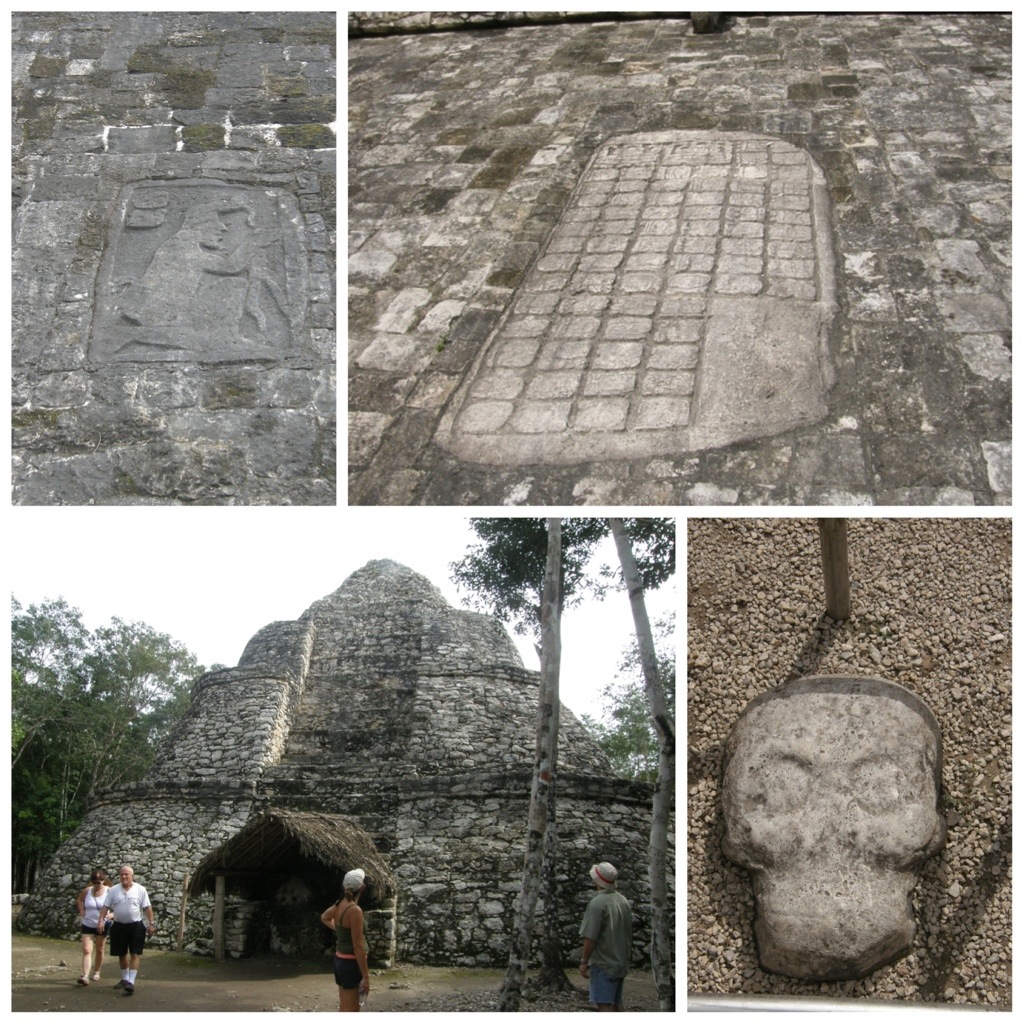
In December 2011, Rob and I were enjoying an Exotic Western Caribbean cruise. While in port in Cozumel we booked an excursion to visit Coba (which required a sickening ferry ride to the mainland). Coba dates back to about 600 AD. It was believed to have supported about 50,000 inhabitants, but was abandoned for unknown reasons. Coba was never discovered by the Spanish and remained hidden in the jungle until it was rediscovered in the 1890s. Most of the structures are considered to be in pristine condition.

20121221-115529.jpg

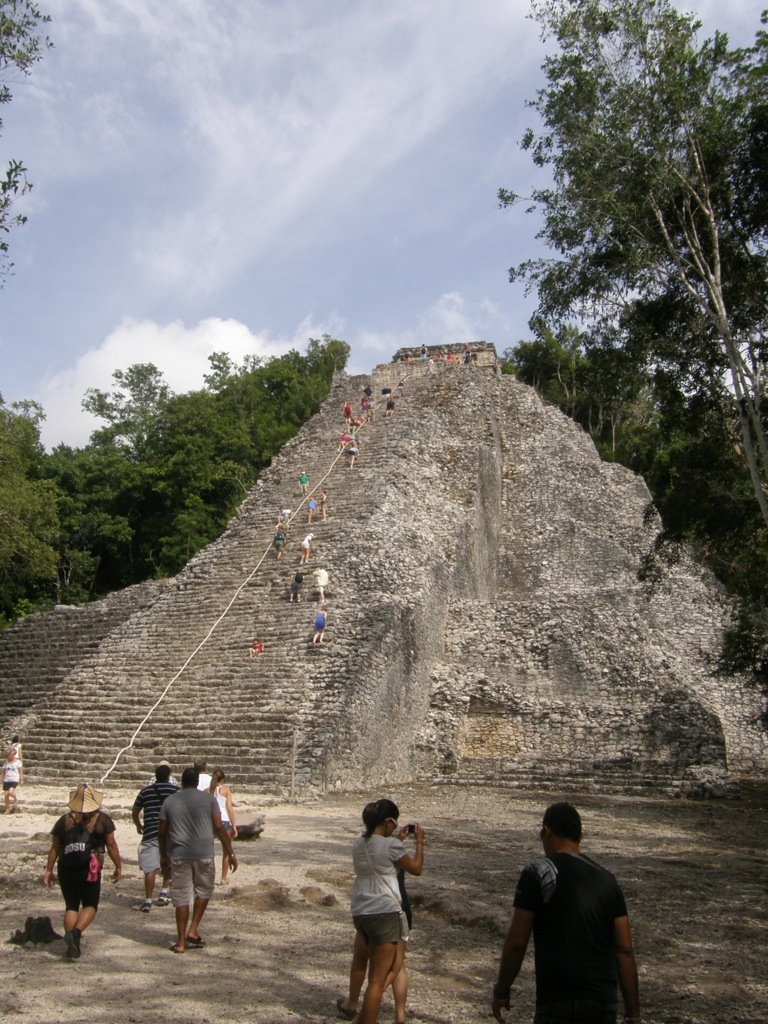
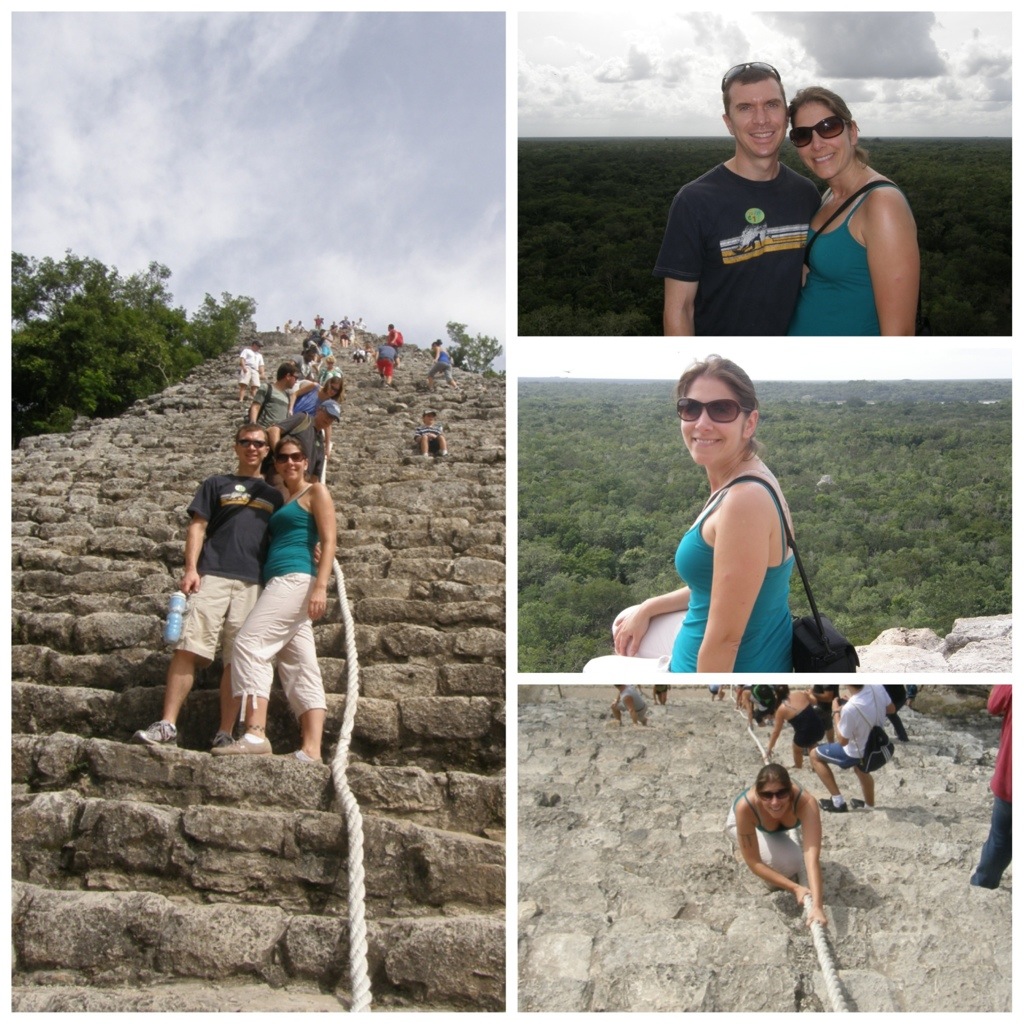
The largest structure in Coba is Nohoch Mul, which means “big mound.” This Mayan pyramid is 138 feet high and may be climbed by visitors. The climb up wasn’t too difficult, but it was strenuous enough. The view of the Yucatan jungle from above made it all worth it.

20121221-115617.jpg

20121221-115725.jpg

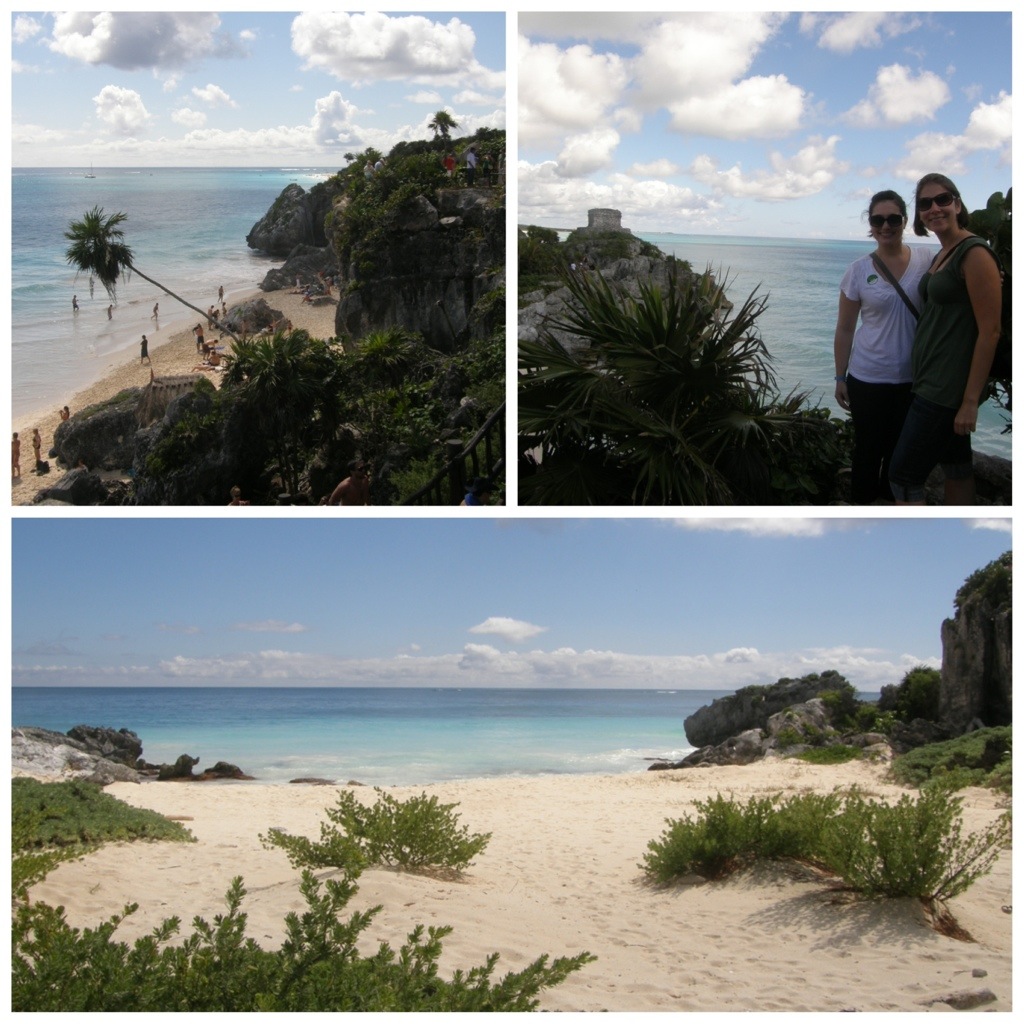
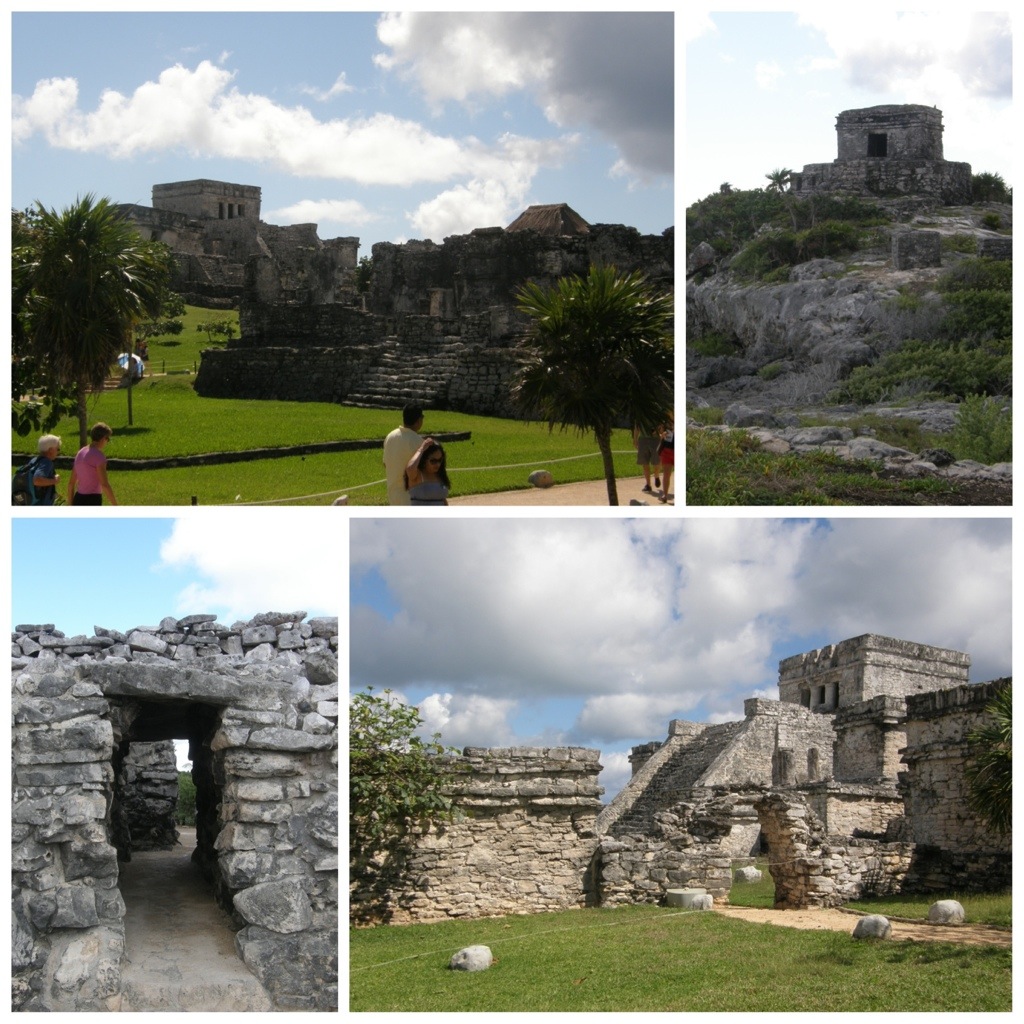
In February 2012, Heather and I were enjoying a relaxing beach vacation in Mexico. We decided to take a quick day tour to visit the Mayan ruins of Tulum. Tulum is nowhere near as old as Coba, as it wasn’t built until the late 13th century. Tulum was a seaport and it was the only Mayan city built on a coast. It is home to its own beautiful beach where visitors are welcome to take a refreshing dip in the sea.

20121221-115803.jpg

Tulum was one of the few Mayan cities protected by a wall. There are different theories about why Tulum was fortified, but there is little doubt about their desire to protect the seaport. Unlike Coba, Tulum had only 600 inhabitants inside its walls. So some people believe the walls were there to keep invaders from overtaking such a small population. Others believed that only priests and nobility lived within Tulum, therefore the walls could have been there to keep out the peasants.

20121221-115845.jpg

Enjoy these pictures until Sunday when we will find out if the world truly will come to an end!

Standard
Destinations, Iceland

Blue Lagoon

Our final stop in Iceland was the Blue Lagoon. This geothermal spa is one of the most visited attractions in Iceland and it is conveniently located about 20 minutes from the Keflavik International Airport. Our plan was to spend the morning and early afternoon at the Blue Lagoon and then be thoroughly relaxed throughout our flight home. It was a really good plan. I only wish that we had more time to spend there. It was absolute heaven!

20121130-161844.jpg

20121130-161928.jpg

The Blue Lagoon is located in a lava field in Grindavik and the warm water is rich in minerals that are supposed to do wonders for your skin. I must say, my skin did feel fabulous! The water is a milky blue color and it leaves a white ceramic-like finish on the surrounding lava rock. If you look closely at the pictures below, you can see the white residue on the lava rock near the water line.

20121130-162009.jpg

20121130-162055.jpg

Rob is not much of a “spa” guy, but he pretended to enjoy it as much as I did. He even joined me in applying an algae moisturizing facial mask!

20121130-162139.jpg

We lounged in the water for a couple of hours and then we enjoyed a delicious lunch at the Lava Restaurant. After lunch there wasn’t enough time to get back into the water. We had just enough time to shower and then we had to be on our way to the airport. : (

Until next time Iceland…

Standard
Destinations, Iceland

Taste the Saga

After our Golden Circle excursion, it was time to check out Iceland’s oldest brewery. Our friends Patrick and Heather stumbled on this little gem and it was one of the best deals in Iceland. We went to Ölgerðin Brewery for their Taste the Saga tour. It is safe to say that this booze tour was the best one I have ever experienced! First of all, you really get your money’s worth (and then some!) of beer. Secondly, Iceland actually has an incredibly interesting history when it comes to alcohol.

20121130-135044.jpg

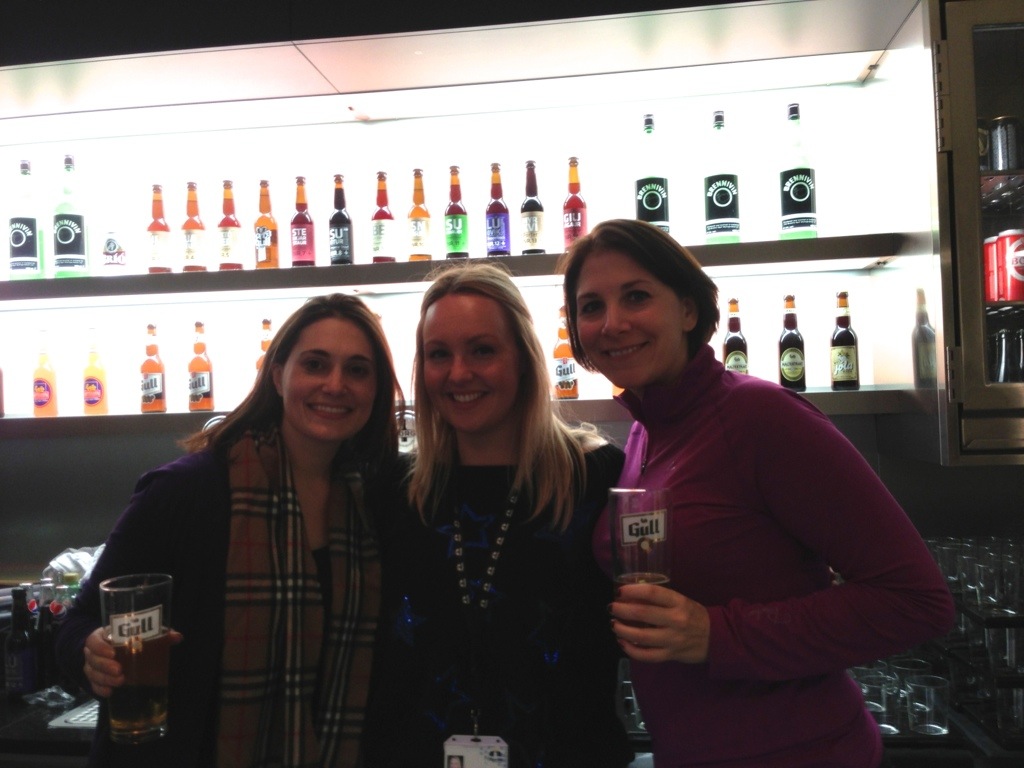
We gathered in the Ölgerðin tasting room and our tour guide, Olof, started the crowd off with a pint of Gull, Iceland’s most popular beer. As part of this tour, the Gull on tap was “all you can drink” and as it turns out…we can drink a lot! While the crowd was quenching their thirst, Olof told us all about Iceland’s interesting history as it relates to booze. In 1908, the people of Iceland actually voted to ban all alcohol. The ban went into effect in 1915 and to some extent, lasted until 1989! Spain threatened a trade embargo after Iceland stopped importing their Spanish wine. The threat of Spain no longer importing Icelandic fish was enough for the government to legalize Spanish wine in 1921 (wine from all other countries remained illegal). Then in 1935, Iceland legalized all spirits, but beer remained illegal. This probably sounds a bit backwards, but the thought was that since beer is cheaper than hard liquor, people would be more likely to abuse the cheaper substance. In truth, the Icelandic people just found an alternative way to abuse beer (and I don’t use the term “abuse” lightly!). In Iceland, the term “pilsner” refers to their potent imitation beer. Olof prepared a sample of “pilsner” for us to try. She combined non-alcoholic beer with vodka and schnapps (specifically a kind of schnapps the Icelanders refer to as Black Death). I can assure you that it did not taste anything like the pilsner you may be accustomed to.

20121130-135220.jpg

During the prohibition, Iceland still made beer, but it had to be “exported.” Polar Beer was the export product, but Olof led us to believe that it technically never left the country. Instead, it was consumed by Brits on their military installation whilst they were occupying the country.

20121130-135335.jpg

In 1985, prohibition lost more support after the government made it illegal for pubs to add alcohol to non-alcoholic beer to make “pilsner.” Finally, on March 1, 1989, Iceland’s prohibition ended completely. Beer is now the most popular alcoholic beverage in Iceland and many natives celebrate Beer Day on March 1st every year.

20121130-135434.jpg

After our very interesting history lesson, we set off to tour the brewery. We had to put on hair nets before entering and because we were already quite tipsy, Heather and I acted like we were Laverne and Shirley. Meanwhile, Rob and Patrick didn’t really appreciate being called Lenny and Squiggy. They clearly weren’t having as much fun as Heather and I (or the Icelandic guy photo-bombing our picture!)

20121130-135539.jpg

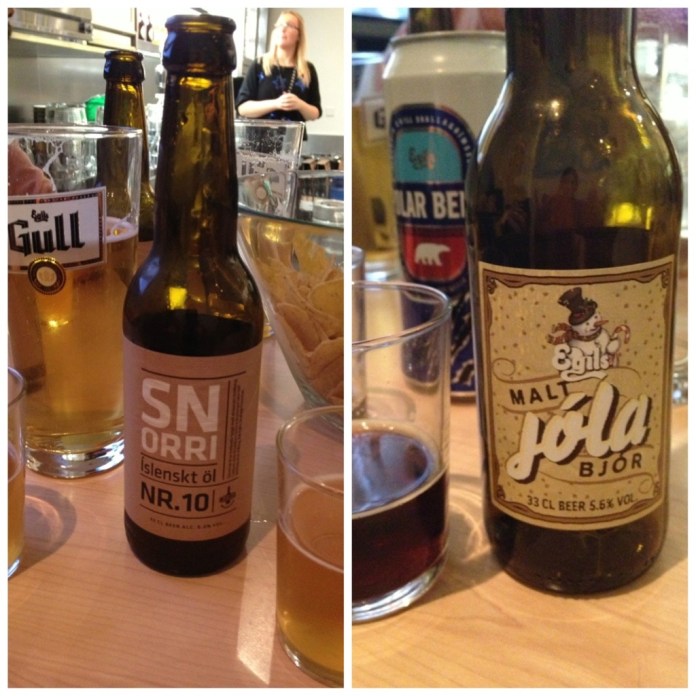
After our tour, we tried several other Icelandic beers. Iceland has to import most of their barley in order to make beer, but we tried a beer called Snorri that was made from 100% Icelandic barley. It was quite tasty and it is the only beer in Iceland that is made only from Icelandic barley. We also tried a Christmas malt that was quite good. Finally, we got a sample of Brennivin (a.k.a. Black Death) which is a caraway flavored schnapps and considered Iceland’s signature drink.
20121130-135644.jpg

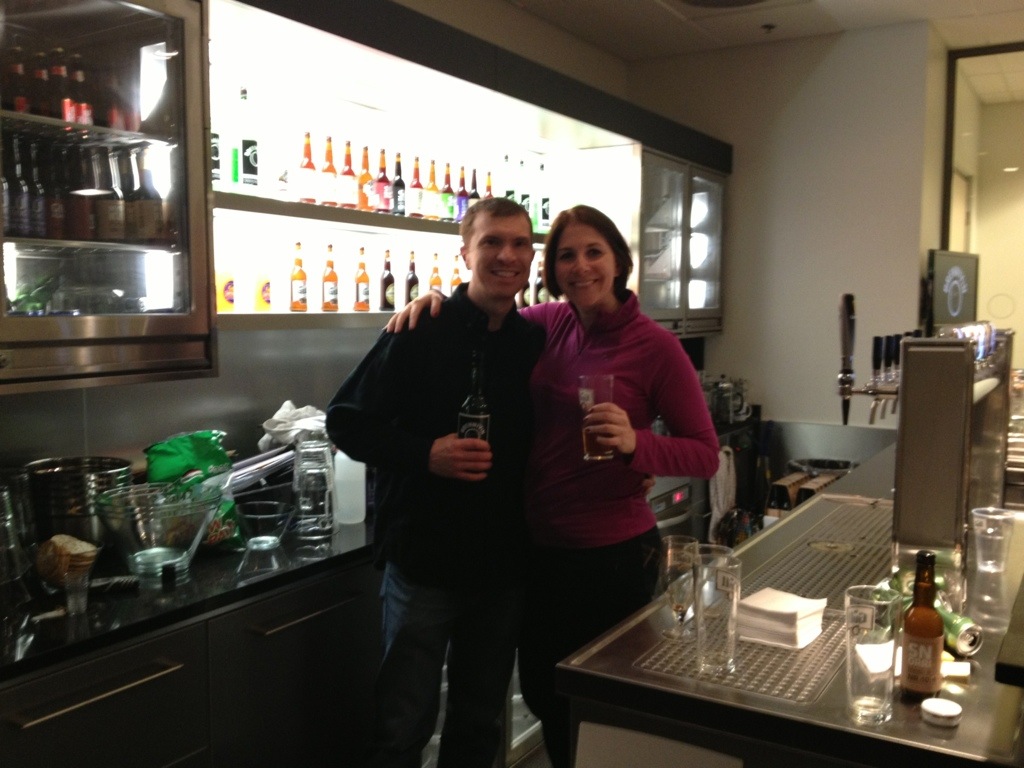
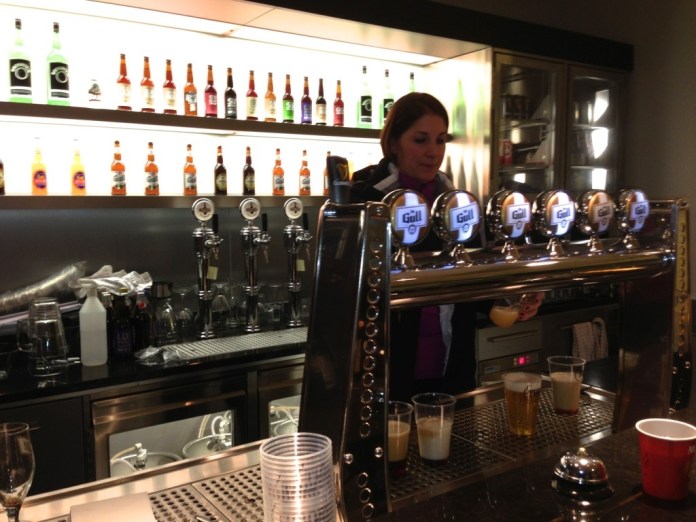
Sadly, our tour ended shortly thereafter. However, Olof let me go behind the bar to pour to-go cups! BEST BREWERY TOUR EVER!!
20121130-140055.jpg

To say we got our money’s worth is an understatement. I may or may not have started dancing behind the bar, spun some weird Icelandic wheel of fortune, and possibly a few other things that Rob pleaded with me not to add to the blog!

20121130-140155.jpg

Standard
Destinations, Iceland

Iceland’s Golden Circle

The Golden Circle is one of Iceland’s most popular tourist attractions. Tourists can drive this loop from Reykjavik into central Iceland and back or they can pay for a guided tour and travel by bus. Since we already had a rental car, we opted to drive ourselves, as this was both cheaper and allowed us more flexibility with our sight-seeing. The three main stops along the Golden Circle are Thingvellir National Park, Gullfoss, and the geothermally active valley of Haukadalur.

During the winter, the days are very short in Iceland. We stopped along our route to take pictures of the sunrise. These pictures were taken at 10:30 a.m. and the sun goes down at about 4:30 p.m. These few hours of daylight will continue to decrease into the colder winter months.

20121129-133419.jpg

20121129-133511.jpg

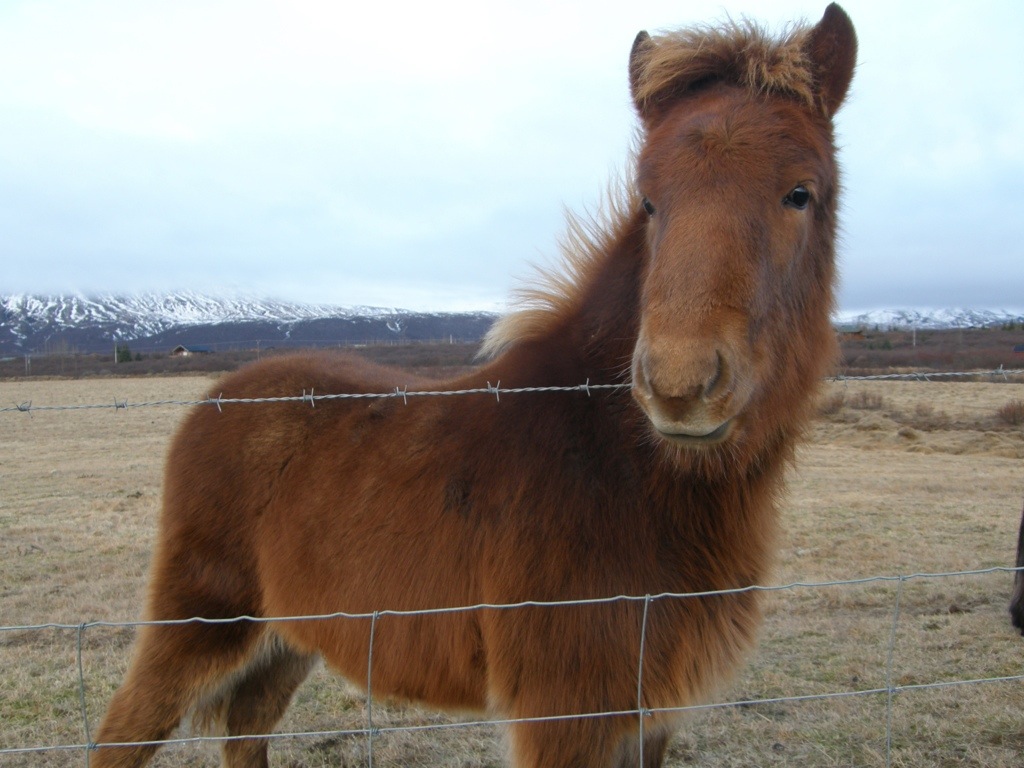
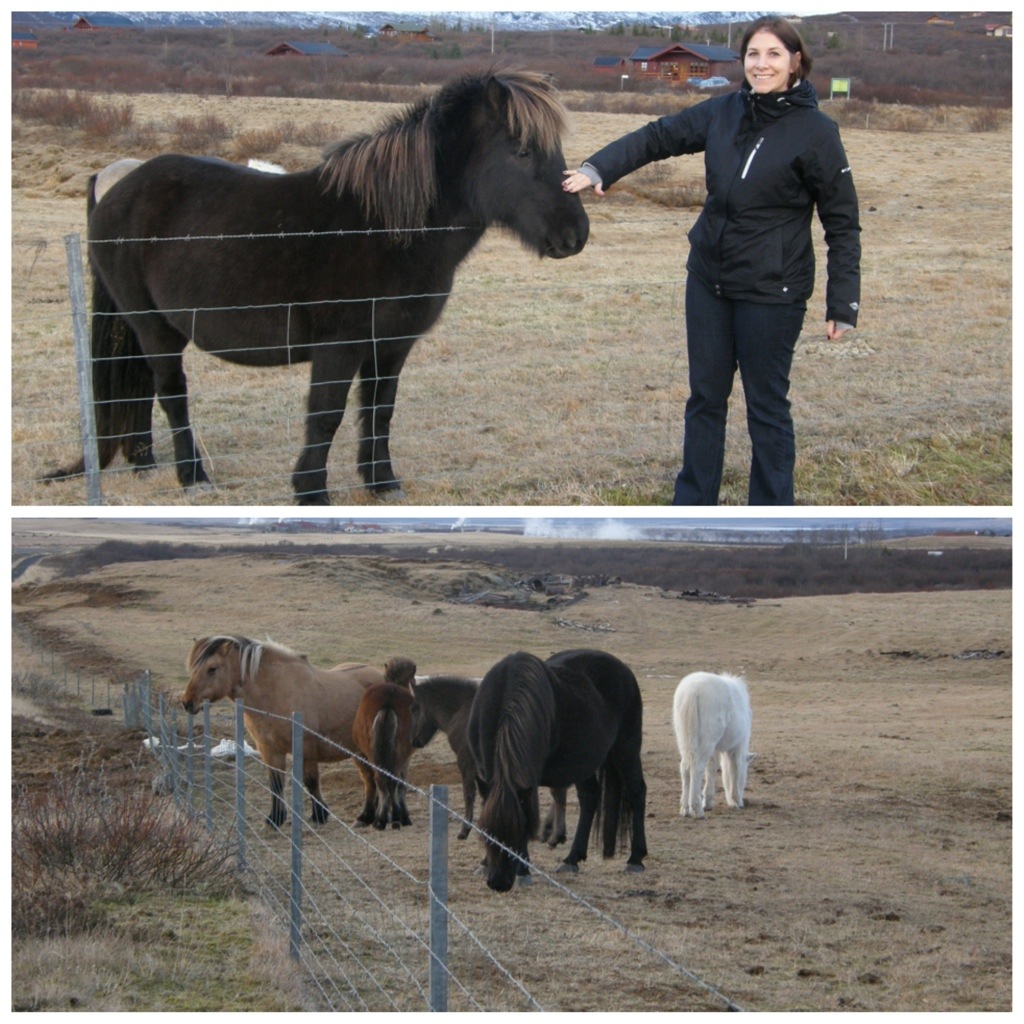
Throughout Iceland, you will find the beautiful Icelandic horse. This hardy horse gets a thick and furry winter coat and is also known to change its color. Our glacier tour guide, Anna, mentioned that the Icelandic horse has more color variations than any other horse breed. Another notable difference is that most other horse breeds only have three gaits, but the Icelandic breed has five gaits. The Icelandic horse is the only breed of horse in Iceland and they do not allow other breeds to be imported. If an Icelandic horse is ever exported, it will never be allowed back into Iceland. The Icelandic people use this horse for both work and leisure. Many Icelanders own a horse and ride them daily. As I mentioned in an earlier post, they also use the horse as a food source.

20121129-133616.jpg

20121129-133718.jpg

Our first “official” stop along the Golden Circle should have been Thingvellir National Park. Thingvellir was home to the very first parliament in the world. In 930, Vikings held annual parliament meetings around a rock formation to amend laws and create new ones. Thingvellir is also one of the few places in the world where the Mid-Atlantic Ridge comes above water, and is also home to a huge geological rift between the Eurasian and North American tectonic plates. I am sure all of these things would have made for some great photos, but unfortunately, due to some language misunderstandings, Rob and I did not stop. Oops! I guess this gives me another reason to go back to Iceland!

We made our way through the Haukadalur valley and stopped to see the active geysers in action. Geysir is the most well-known geyser in Iceland and it is also where the English word geyser derived from. Geysir used to be one of the most active and “reliable” geysers in Iceland. Unfortunately, Geysir doesn’t erupt like it once did due tourists throwing rocks into it in an attempt to set it off. Although it once erupted several times an hour like clockwork, it can now go several years without erupting.

20121129-133815.jpg

Luckily for us, Strokkur has stepped up to the plate. Strokkur erupts about every 10 minutes and it was absolutely fascinating to watch. Rob and I definitely stayed much longer than anticipated, but we just couldn’t get enough. I think we must have stayed long enough to watch it erupt about 15 times!

20121129-133855.jpg

20121129-134305.jpg

To get the full effect, check out these videos we got of Strokkur erupting!

Satisfied with our photos and video, we stopped at the Geysir tourist center for lunch where I had more of the delicious meat soup. After interacting with the cute Icelandic horses earlier that morning, I was once again telling myself it was lamb soup. Then we set off to check out Gullfoss, the most famous waterfall in Iceland. The weather had taken a turn and it had started to snow, but we were undeterred. Gullfoss is a double tiered waterfall that is known for casting beautiful rainbows. Our pictures are much more dreary than other pictures I have seen of this postcard-perfect waterfall, but I was still thriving on my geyser high, so it didn’t get me down. Although, I am sure Gullfoss would be absolutely breathtaking in the summertime. Oh wait…what’s that? Another reason to go back to Iceland!

20121129-134421.jpg

Standard
Destinations, Iceland

Glacier Walk & Hunt for the Northern Lights

On Thanksgiving Day, Rob and I, along with our friends Heather and Patrick, embarked on a full day tour that included a glacier walk and hunt for the Northern Lights. We headed south towards Mýrdalsjökull, Iceland‘s fourth largest glacier. Mýrdalsjökull is just east of Eyjafjallajökull, the world famous volcano that erupted in April 2010.

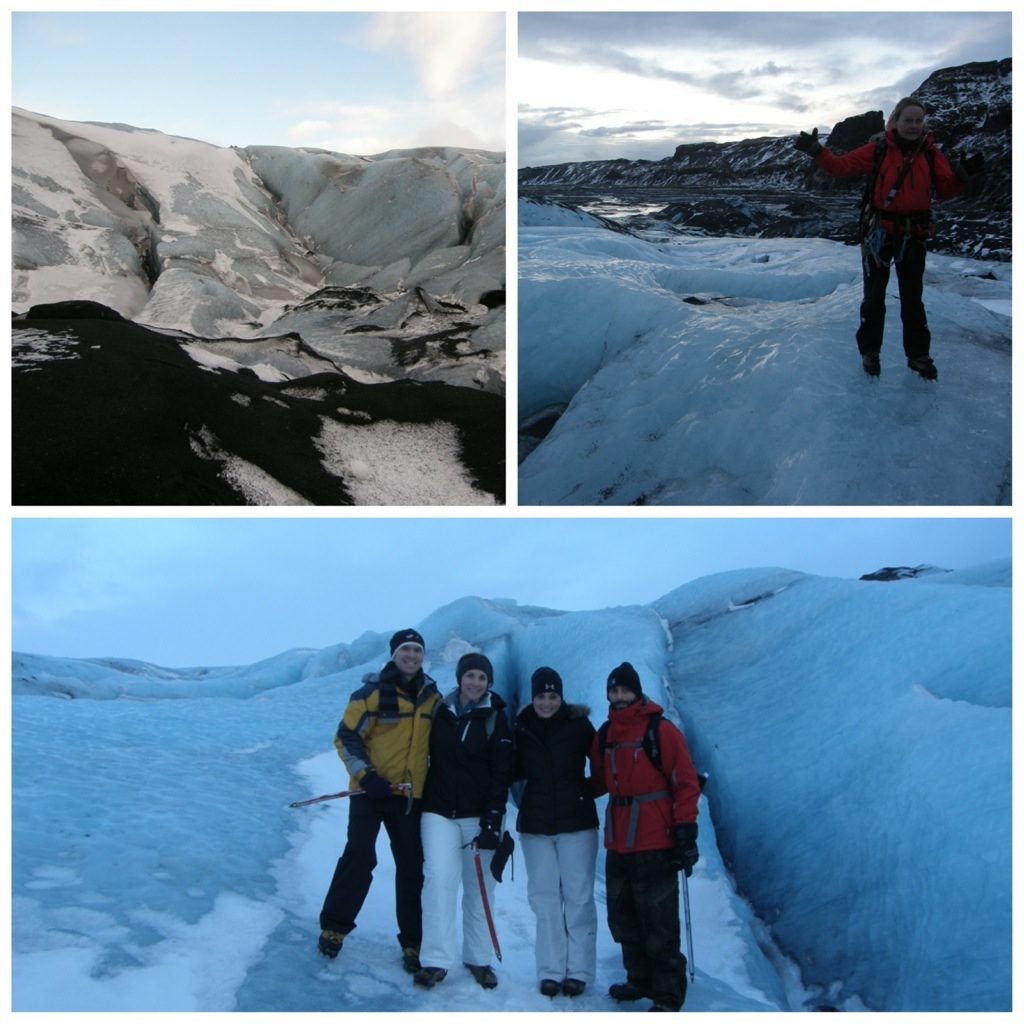
Along the way, our tour guide Anna, educated us on “all things Iceland.” A couple hours later we arrived at Sólheimajökull, which is a glacial tongue of the main glacier Mýrdalsjökull. It was an amazing sight with the ice so breathtakingly blue!

20121128-125820.jpg

This glacial tongue is a safe and easy way for novices to explore glacier features, such as cauldrons, crevasses and waterways. As soon as we arrived, we put on our crampons and we were each given an ice axe. Rob is quite experienced with this type of equipment, but it was definitely a first for me (hence me showing off my new kicks)!

20121128-125944.jpg

20121128-130211.jpg

20121128-130325.jpg

Anna provided us expert instruction on how to safely navigate the glacier. Fortunately, the weather was absolutely perfect. It wasn‘t too cold and there was virtually no wind. But most importantly, the glacier‘s surface wasn‘t covered in snow. This meant we could walk around without poking the ground below us with our ice axes prior to each and every step. When the glacier is covered with snow, you must use your axe to prod the ice to ensure you will be stepping on solid ground. If you don‘t, you might plummet to your death! We had a few “special” tourists in our group that weren’t heeding Anna’s instructions. Fitting for Thanksgiving Day, I guess they should be thankful they didn’t plummet to their death.

20121128-130451.jpg

After spending a couple hours on the glacier, it was time to make our way back to the bus before the sun went down. I was feeling pretty confident with my new glacier skills, but I wasn’t really up for testing them after dark.

20121128-130618.jpg

Before dinner, we stopped at 2 waterfalls and then the Eyjafjallajökull eruption center. We watched an interesting video that showed how the eruption affected a family farm at the base of the volcano and their journey rebuilding their farm. I must say…the Icelandic people are pretty brave to build (and then re-build) their homes adjacent to active volcanoes!

20121128-131347.jpg
Seljalandsfoss Waterfall

Our next stop was Hotel Anna, where we enjoyed a delicious meal and tasty Lava Beer. This Thanksgiving, we enjoyed Icelandic Meat Soup instead of a traditional American turkey dinner. I ate their meat soup a lot during this trip and I have to say that Icelanders have this recipe down pat! It was SO good and none of us could resist going back for seconds. The only question was “What kind of meat is in the meat soup?” We told ourselves it was lamb, but the truth is we will never know. It could have just as easily been Icelandic horse, since that is a part of the Icelandic diet. I think I’m going to just continue believing that I was enjoying lamb soup.

20121128-130848.jpg

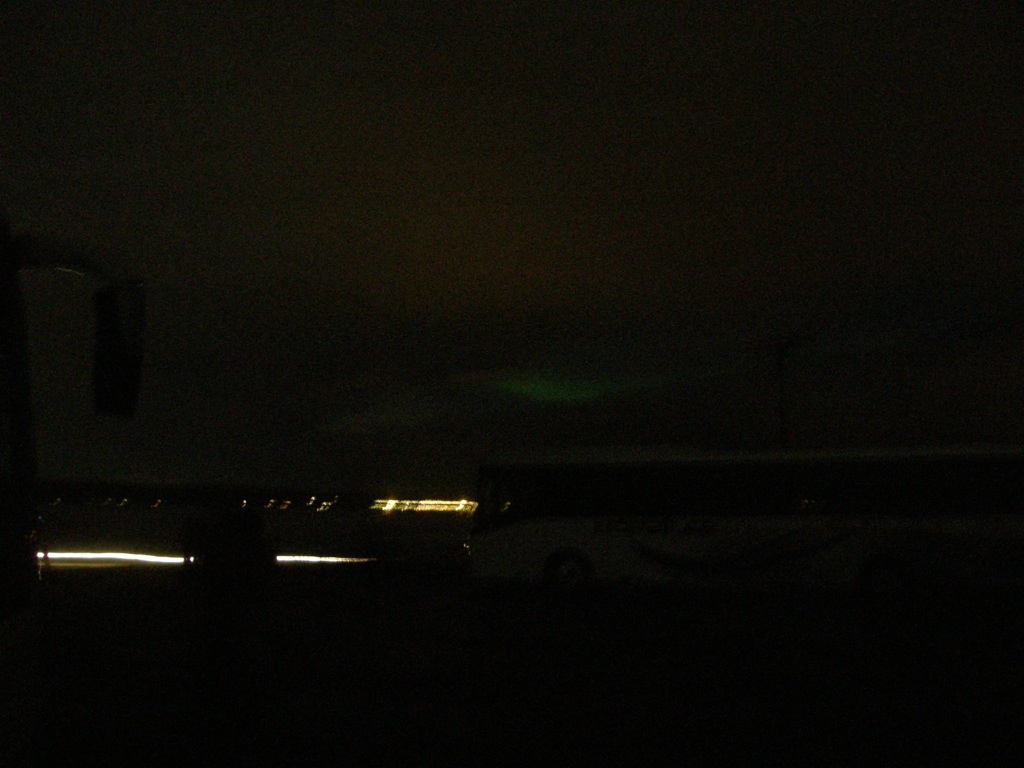
After dinner, it was time to search for the Northern Lights. Unfortunately, it was an incredibly cloudy night, so our chances of seeing them were not great. I held on to hope though because this was the part of the trip that I was most excited about. In my mind, I had visions of this spectacular show in the sky and I couldn’t wait to see it for myself. I was convinced that the clouds were going to part just so that I could experience this amazing phenomenon. And then I got a heavy dose of reality check. The picture below is the extent of my Northern Lights experience. They weren’t incredibly active that night, but they were definitely there. Unfortunately, so were the clouds. With such high expectations, this was definitely the most underwhelming outcome. Note the small green streak.

20121128-131535.jpg

Standard